Brand Archetype Ruler: the king of the market?
Set your brand as the market standard and become the undisputed leader? The Ruler brand archetype is known as the king or aristocrat, the one with the most power. Many people like to follow a born leader, and that is the strength of the Ruler archetype. Through various examples from industry and business services, we make the brand archetype tangible. You will learn how to apply this brand archetype to your brand.
Brand Archetype Ruler: Control and Power

Mercedes-Benz has been positioned as the ruler for years
When we think of the Ruler, we think of a king, president, CEO, or other ‘leading’ figure who firmly holds the reins. This type of brand is all about gaining (more) power. It uses symbols of power such as certain clothing, expensive jewelry, cars, or imposing buildings. But above all, we think of the ruler’s aura: they have an innate authority and maintain some distance. The Ruler gains and holds the power they want, using that control to create order and offer their customers safety and success.
Prestige, status, or image is what matters most to the Ruler. A Ruler brand attracts people who want to be successful and important. But whereas a Ruler brand once saw its customers as subordinate, today the customers are the Ruler. With a ‘Black’ American Express credit card, you send a clear signal, especially when stepping out of your Mercedes S-Class. These brands facilitate your desire for status.
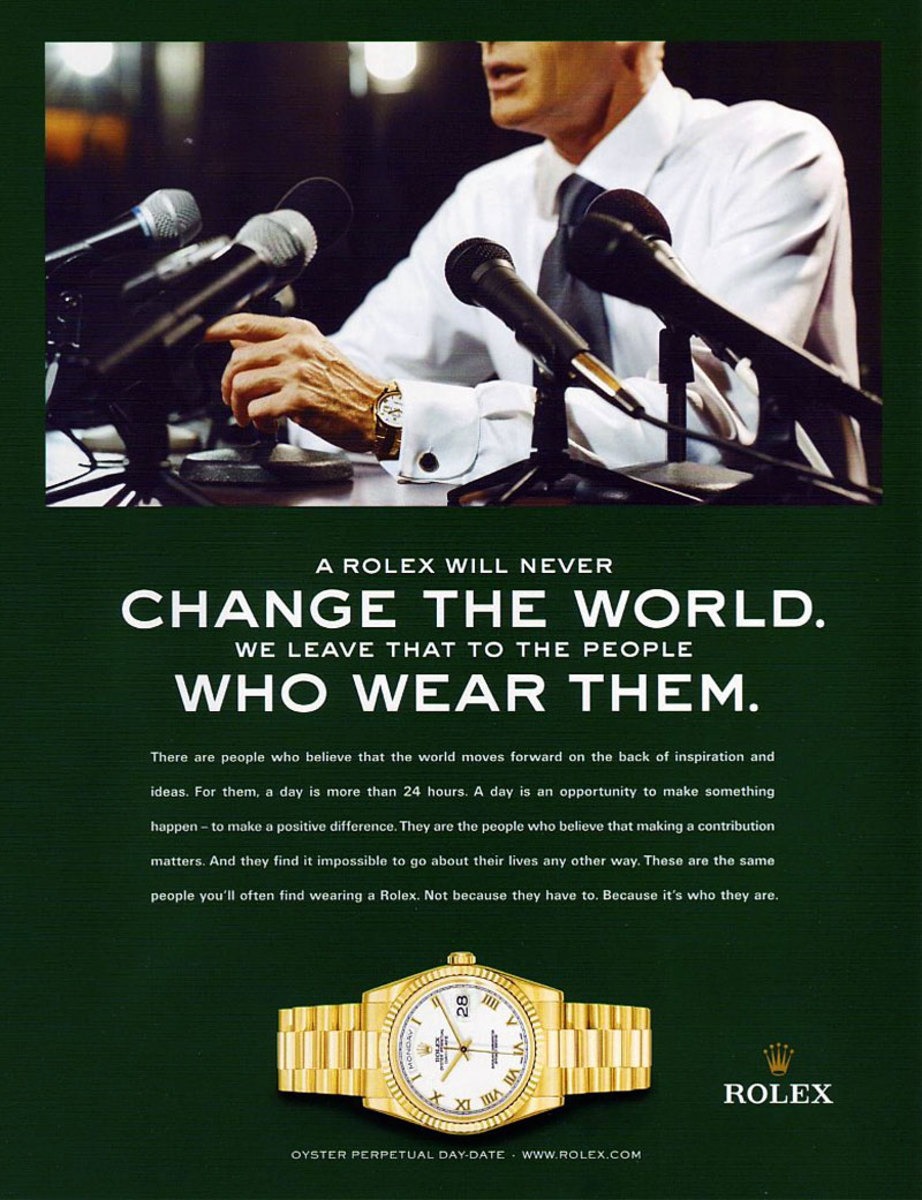
The watch of the brand archetype ruler
These are two examples of brands that enforce a certain position. Another, milder form of the Ruler brand archetype merely creates order within a clearly defined world. This variant is less inclined to swallow or suppress new, innovative players. Think of leading institutions or regulatory organizations without profit motives.
In color use and photography, distance and authority come through well. Subdued colors – often blue, think of the blue blood of the aristocrat – and not too warm tones dominate many Rulers. This is also true for the two examples from business services and industry that we explain below.
Industrial Brand Archetype Ruler: Intel
Chipmaker Intel goes beyond the fact that it only makes chips (in many different types) in its communication and states that it enables the ‘most amazing experiences of the future’. Even by American standards, the brand shows no modesty; the only thing more fantastic than Intel products is what the world does with them. Intel understands that nowadays it is no longer the brand but the customer who must be the Ruler.
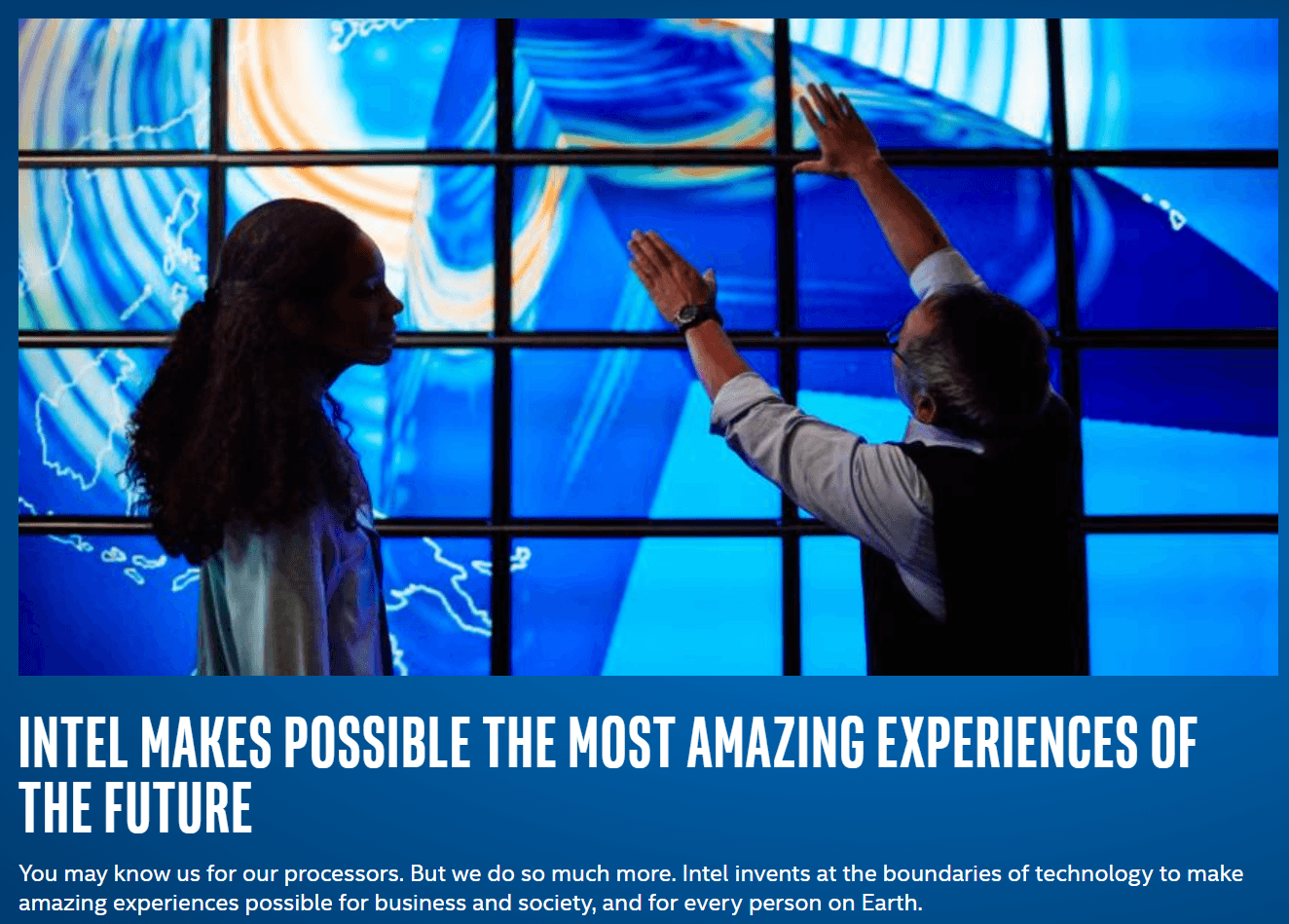
Intel has positioned itself for years as the Ruler, the ruler in the processor market
The brilliant ‘Intel Inside’ strategy put the processor at the center of the computer purchase decision years ago. The company reaped the benefits for decades but realized in time that computing power, not a component, is the real product. And computing power increasingly underpins the business models of the world’s largest companies. This theme is central to Intel’s marketing strategy: how do you get the most out of your investment in computing power? With this, the company bypasses the IT manager and sits directly at the table with the customer, the Ruler.
Business Service Provider Brand Archetype Ruler: McKinsey
Management Consultant McKinsey laid the foundation for the entire concept of business strategy and has therefore been the Ruler in its field for years. Although it shifted to seeing the customer as the Ruler, the company leaves no doubt that it is the real Ruler. Where you used to be happy to pay McKinsey’s highest fee to explain how your company could perform better, McKinsey now engages with leaders in certain industries. It writes papers with titles like ‘The Future of Asia’ – more about their content marketing strategy – and invites people as follows to come work for them:
“Come to McKinsey to do the best work, with the best teams and truly be at your best.”
In 2019, ‘the firm’ presented its new identity around the message: “A changing firm, a changed identity.” It claims to seek a balance between heritage and modernity but in reality simply recalibrates what is needed to be a Ruler brand in this time. It uses timeless, expensive materials like marble as a base and features a curator in a sharp three-piece suit. It even developed its own font, Bower. Everything to give its expressions as much authority and weight as possible.
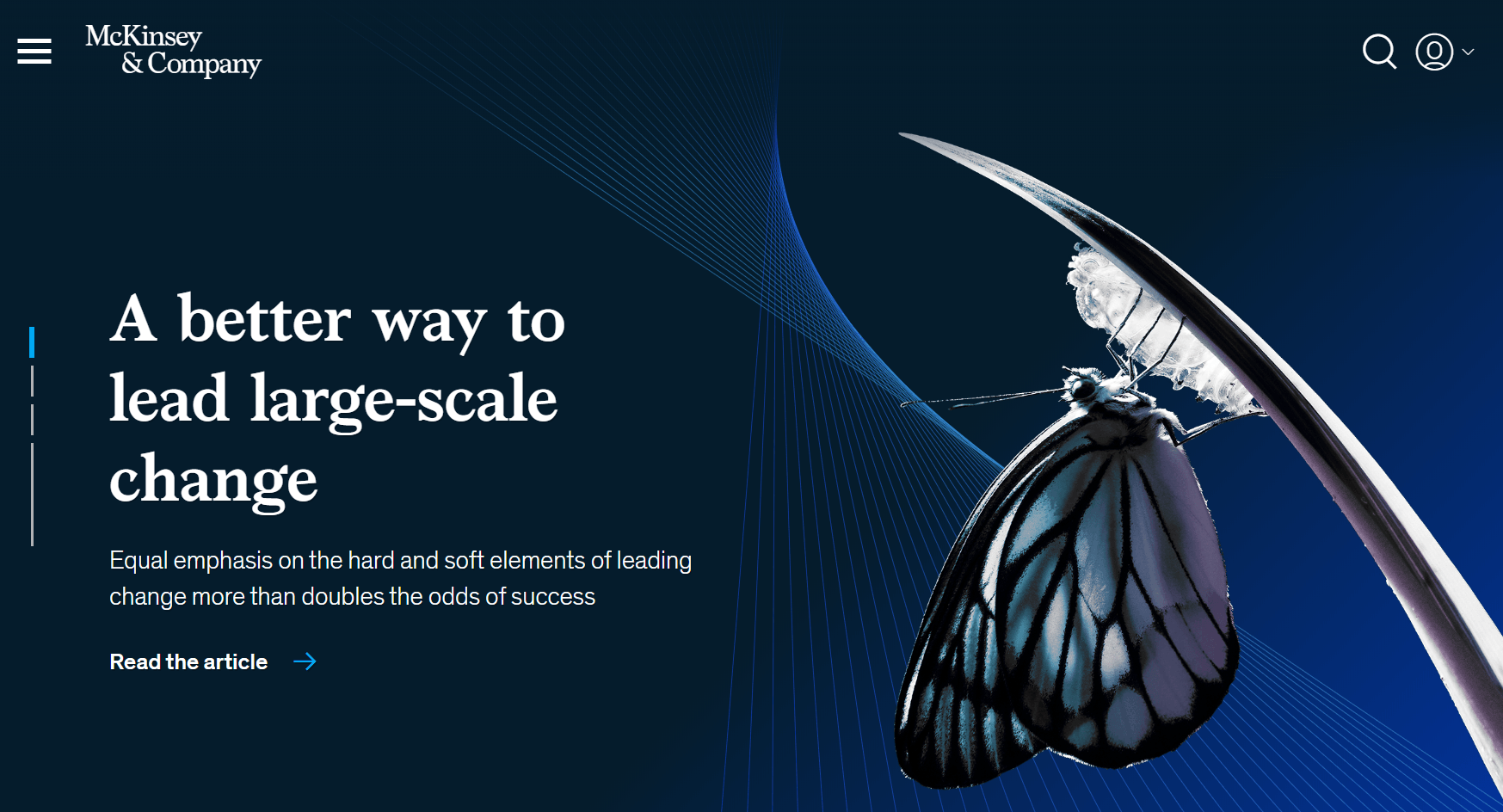
Undisputed ruler McKinsey developed a matching brand identity
What does it yield?
A brand that behaves as a Ruler also gains the power and authority to exercise control. People often find it pleasant to follow a natural leader, and that enables the Ruler to set the standard. Naturally, the Ruler often cannot resist making its own best practices those of the entire market. That is convenient.
The vast majority of the market also feels most comfortable with the leader, simply because they have the most trust in this brand. This results in a larger market share and a higher margin/price.
When is a Ruler right for your brand?
If one or more of the following descriptions apply to your brand, then a Ruler might be the best-fitting archetype:
- Status-oriented product, customer uses it to increase their status
- A product that gives people (more) control
- Service that helps to gain or maintain power
- An organization with a regulatory or protective function
- High or mid-range price
- Positioning against a populist (ally) brand or rather another clear leader
- Established market or a product that makes it possible to offer safety or predictability
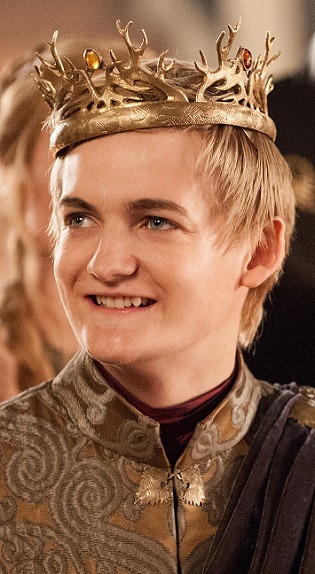
Game of Thrones’ hated ruler: Joffrey
Pitfalls of the Brand Archetype Ruler
The pitfall of the Ruler is that they become convinced of their own superiority and therefore behave like a tyrant. They prevent new, innovative players from entering the market and encourage regulations that limit innovation. All to maintain the status quo and their own position. In practice, counter-movements always arise, think of ‘Dell = Hell’ or the market perception of Microsoft as money grabbers.
But the most important thing is, of course, whether the typical behavior of a Ruler fits your and your company’s identity. That is why we also list the behavior of the Ruler.
Behavior of the Brand Archetype Ruler
The strength of the brand archetypes is that the behavior of each type is quite easy to guess. The Ruler is day in, day out busy acquiring status. The brand has an impressive headquarters with expensive interiors, of course, but also radiates authority in all its marketing expressions. The Ruler is naturally conservative; exercising control is easier if the world remains as you are used to. A Ruler can therefore find it difficult to innovate, unless innovation is through acquisition, simply because the Ruler also internally values hierarchy and decisions or change therefore take a lot of time.
Marketing of the Brand Archetype Ruler
The following elements appear in the marketing of almost every Ruler:
- Every message centers on authority or leadership (of customers)
- Control is the most important instrument, the brand provides this
- Strong emphasis on order and hierarchy
- Classic or modern minimalist style
- Subdued color use, mostly blue tones
- Clarity and focus, there is no room for interpretation of the service or even the brand’s vision
- Investing instead of costs or price
Ruler or maybe…
Do you feel at home with the Ruler in many ways but feel that your main drivers do not belong here? Then another brand archetype might suit you better; the following brand archetypes are sometimes very close to the Ruler:
Sage – Instead of power, knowledge is the most important resource of your brand. Your knowledge enables customers to create order in the world themselves. You both take responsibility, and although it is about control, the way you achieve this differs greatly.
Creator – Changing the world based on your vision. Of course, power is needed for that, but it is not the driving principle behind your brand.
Hero – The hero has only one goal in mind, while the Ruler wants to create order. A hero reflects to its customer that they can achieve that goal with this brand, regardless of the environment or market. And that is the contrast; the Ruler wants to create order.
Want to read more about brand archetypes? On our brand archetype page you will find all brand archetypes with examples.