Reverse positioning and value proposition ideal for your company?
Can a company differentiate itself by leaving out important features or benefits? A brand with reverse positioning creates room for distinctiveness by omitting what the market considers standard (and necessary).
On paper, this is obviously a disaster; if you are used to the search function on the Yahoo portal, you certainly don’t appreciate Google’s empty search page. Until you realize how much faster and more efficient this search engine is. An analysis at the time would have quickly shown that Google had no chance; both offer a search function, but Yahoo also has a whole list of features and benefits. The choice seemed simple.
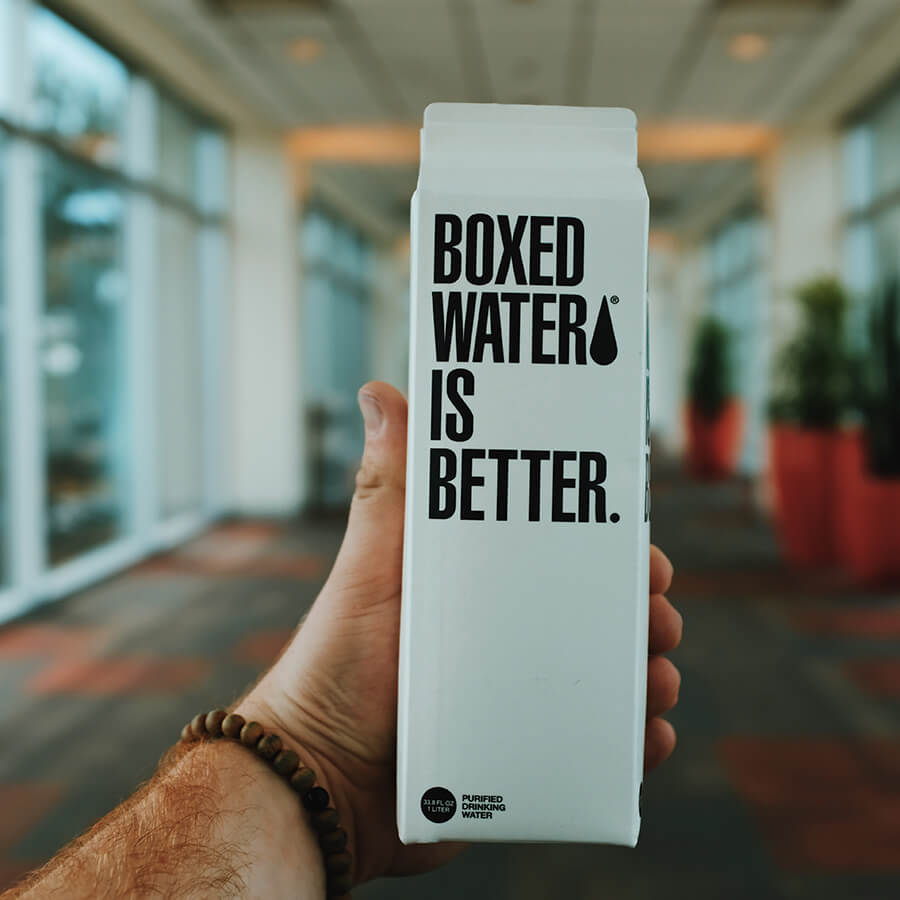
Is the bottle part of the basic product water?
By leaving out what the rest of the market sees as basic elements of the value proposition, necessary to compete at all, a brand can suddenly take a completely different approach.
Reverse positioning and the product life cycle
Reverse positioning comes from Youngme Moon and is one of her three solutions to break a brand free from the Product Life Cycle (source) by not moving into the decline phase but returning to the growth phase. The traditional product life cycle is as follows:
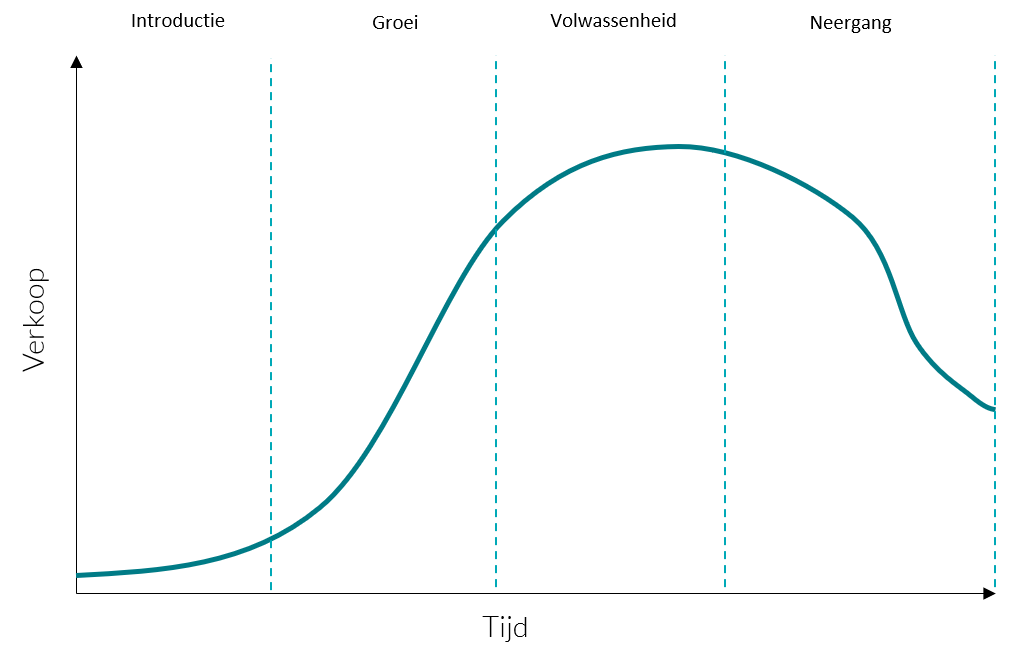
Reverse positioning mainly concerns a brand in the maturity phase. Traditionally, this is about expanding the value proposition or differentiating the product. In coffee: Senseo suddenly could also make tea and cappuccino from pods, and the number of flavors was greatly expanded. As consumers, we quickly find it logical that cappuccino is also available and that you can choose from a range of flavors. It is not an extensive product but has become the standard for a brand that wants to sell coffee.
Successful brands (including Senseo) often start as challengers in a mature, entrenched market and do things radically differently. This is called ‘disruptive’, a concept coined by Clayton Christensen that describes how a new, simple technology from below pushes the established order out of the market. Moon, in turn, sees reverse positioning as a way for established players to anticipate this and return to the growth phase of the product life cycle.
Examples of reverse positioning
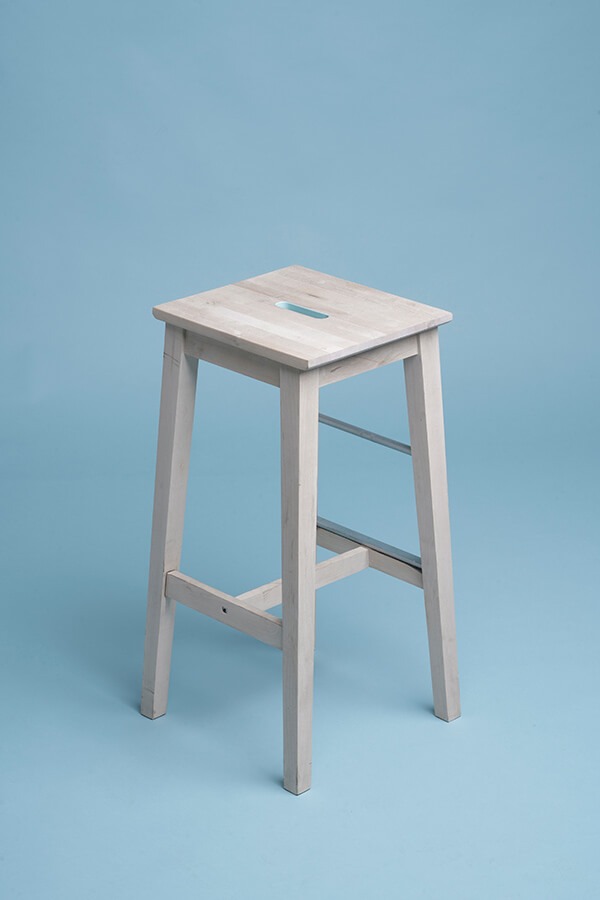
How much should such a stool cost?
IKEA is a favorite example of Moon and one she extensively discusses in both her book and articles. IKEA also entered a mature market, full of chains offering enormous variety, floor advisors, and high quality. IKEA’s offering was limited to a number of non-durable furniture pieces per category that you have to assemble yourself, resulting in lower costs. This allowed the brand to invest in ultra-modern, spacious stores, a restaurant, and an expansion of the offering to everything you need to furnish a home. Unprecedented for budget formulas.
Ikea suddenly entered the market with a side table that costs less than the coffee you put on it.
Dell quickly conquered a large part of the PC market by having no stores or resellers at all and drastically limiting configuration options. Their prices were far below those of the competition while profitability was ensured.
Nintendo distanced itself with the Wii from the arms race of ever faster processors, graphics cards, and more complex games. By focusing on motion, the company could afford this and it paid off.
In short, plenty of examples of disruptive brands that position themselves in reverse. But how do you apply this?
Merkelijkheid has been helping B2B and B2C brands with distinctive (re)positioning for years. We would of course love to discuss the possibilities with you.
Getting started with reverse positioning
The first step is, of course, determining the basic product. The basic product for a hotel is a roof over your head, a place to sleep. The bathroom probably isn’t even included. Airbnb started simply by selling a sleeping place (on a pull-out couch). What is your basic product?
Everything that remains is the supplementary product. What can you leave out of the supplementary product, and what can you then offer or do with the freed-up resources? Or approach it differently: how many costs do you need to eliminate to provide an unprecedented service or guarantee in the market? If 12 weeks delivery time is normal in your market, what do you need to make it 1 day?
The most important thing is that the new value proposition is so distinctive and impactful that it sends shockwaves through the market. Keep the example of Google and Yahoo in mind; on paper, it would never work: “That’s not what our market is about.” In practice, people found it a breath of fresh air.