Positioning and Brand Strategy Unilever: 3 Practical Lessons
Think of a major food or shampoo brand. Chances are one of the hundreds of Unilever brands just came to mind. What many people don’t know is that Unilever’s future was far from rosy up to 5 years ago. Growth had stalled and the company was forced to cut back on IT investments and staff. Unilever was hollowing itself out. Since 2009, Unilever has been back on track, but it had to work hard on all fronts to get there. The positioning and brand strategy were overhauled and these changes were implemented throughout the entire organization. What is the result of all this change? And what can you learn from Unilever’s positioning and brand strategy?
 Unilever holds a large diversity of brands, active in 190 countries and generating around €50 billion in revenue. The brand strategy of Knorr or Dove alone in different regions or target groups could fill a book. In this piece, we limit ourselves to the corporate brand strategy and positioning of Unilever in general and its influence on the organization, brands, and competitive position.
Unilever Brand Strategy and Positioning
After 10 years of stagnation and hollowing out the ‘capital base,’ CEO Paul Polman completely changed course. Whereas previously everything was focused on the short term and quarterly performance, common among many publicly traded companies, Polman chose to focus everything on the long term. The core of his long-term vision revolved around sustainability because “You simply cannot save your way to prosperity.” This resulted in the Unilever Sustainable Living Plan, with the central goal: doubling revenue, reducing absolute environmental impact, and increasing positive social impact.
Consequences for Communication and Positioning Towards Shareholders
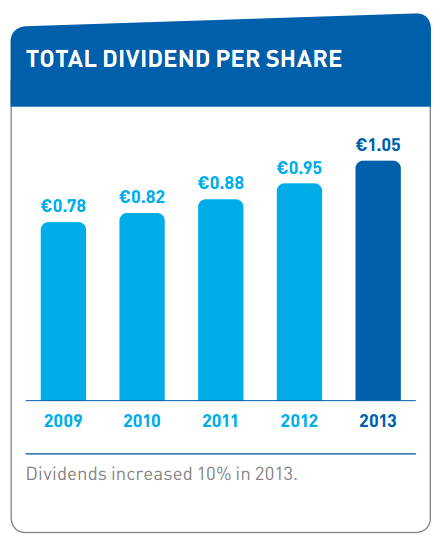
Source: Unilever Annual Report 2013
This choice resulted in an 8% drop in share price! Simply because Unilever’s first step was to implement these choices in everything related to shareholders. No more guidance and quarterly reporting, unheard of but necessary to attract the right shareholders who believed in the company’s new direction. Additionally, the compensation system was drastically changed to also encourage a long-term focus.
The company still places this strategy and positioning at the center, even 5 years later. In the annual report, it first focuses on the vision and major goals before discussing growth figures and results. For shareholders, it has also paid off numerically; dividends have increased by about 30% since 2009 and revenue has grown by about 25%.
Consequences for Internal Organization and Competitive Position
The effects on the organization itself have also been very positive. While salaries are not as high as, for example, in the financial sector, employee engagement and motivation have greatly increased. People value the goal of ‘making a difference’ and are willing to go the extra mile when needed. Non-growth goals are also included in the company’s reporting; diversity, engagement, CO2 and waste production, and water consumption have become hard KPIs. Successful growth is only possible with positive development of these figures.
This has benefited the organization’s competitive position. The share price is worth 23% more and the company can attract talent more easily. Shareholder confidence also seems high, with at least 94% voting in favor of board proposals. Brand growth also outpaces the market, so the overall positioning and brand strategy contribute to the competitive position.
3 Lessons from Unilever’s New Brand Strategy and Positioning
Inspiring Story Provides Direction and Confidence
By setting inspiring goals and explaining why and how the company pursues them, you enable people to evaluate your performance differently. If you only report hard numbers without explaining how they were achieved, you will be judged solely on those numbers. You too can use a central story to present your vision, decisions, and results and help people interpret them.
Clear Positioning Makes It Easier for a Company or Brand to ‘Choose’
For customers, employees, and shareholders alike, it is much easier to choose a company that has a central story. Evaluating an offer is easier, and we don’t have to struggle to decide whether we see ourselves as part of this organization. People want help making a choice; it’s your task to make the choice for your company or organization as easy and clear as possible.
Consistent Brand Strategy Makes It ‘Usable’ for Everyone
We are only truly satisfied when our expectations are exceeded. That’s why it’s essential that everyone in your organization knows what is expected of them and what behavior goes with it. By being clear about goals and ways of working and thinking, every colleague can align their behavior accordingly.
As we said earlier, entire books are written about certain aspects of Unilever, its brand strategy, and positioning. But the general story of the organization is underexposed, and therefore a story we are happy to share with you. If you want to know more about Unilever’s overall strategy, we recommend watching/reading the McKinsey interview with Paul Polman and consulting the Unilever Annual Report.
Want to learn more about positioning and how you can get started yourself? Read our page positioning and find, besides in-depth articles, dozens of examples and models for every possible positioning challenge.