4 aspects of a rock-solid positioning
What aspects truly make a positioning rock solid? Fortunately, we no longer need to convince anyone that a strong brand is built on the foundation of a unique positioning. Therefore, we share four questions that provide depth and a better result when positioning. Each question is based on one of the 4 positioning aspects: purpose, emotion, consistency, and flexibility. We discuss each aspect using appealing examples and brands and provide some additional examples for inspiration for each aspect.
Positioning Aspects: Purpose
 Brands make grand promises, but is that still enough in a highly competitive market? In the past, success was achieved with a well-thought-out promise. Think of car rental company Avis, who promised: “We try harder” and that served them well for 50 years. But why did Avis try harder than market leader Hertz? With what purpose besides making more money? In 2012, Avis also ditched the “we try harder” message.
Brands with a “purpose” are often more successful and their positioning is usually clearer. Employees better understand why they go to work every day, as they contribute to “the purpose.” And be honest, which brand would you rather spend your money on? A brand that exists solely to present better figures every year or a brand that, besides making money, also tries to achieve something else? A rock-solid positioning ensures that the brand purpose is crystal clear.
Examples of Brands with Ambitious Purposes
- Ikea: “to create a better everyday life for as many people as possible”
- Dove: “contributing to a world where beauty is a source of confidence rather than fear”
- Philips: “improving the lives of 3 billion people by 2025”
- Lego: “Inspire and develop the builders of tomorrow”
Positioning Aspects: Emotion
Even the most rational buyer is influenced by it; emotion. Brands that reach their customers on an emotional level are more successful. People want to build relationships and maintain them once established. Good positioning therefore also evokes feelings.
 Who doesn’t know him, the longtime Citroën driver? Somewhere along the way, he fell in love with the brand, perhaps through the first car ride with grandpa. He forgot that when grandpa started his DS, they had to wait a minute because the air suspension needed to be pumped up. Is Citroën today the most innovative or reliable car manufacturer? Probably not. And maybe that is exactly their strength because it gives loyal fans something they share. Citroën drivers have a clear ‘tribe’ and that evokes strong emotions.
Examples of Emotional Brands
- Harley Davidson: Harley Owners Group, a community by and for fans of this brand.
- Patek Philippe: You never actually own a Patek Philippe. You merely look after it for the next generation
Positioning Aspects: Consistency
When a customer is unsure, competition is lurking. A customer who cannot place a message or action becomes confused, and from confusion comes doubt. Therefore, ensure that the common thread or line in your positioning is clear and stick to it in everything. Avoid expressions, actions, or behavior that do not really fit the brand you are building. Successful positioning requires consistency; create the ‘celebration of recognition.’
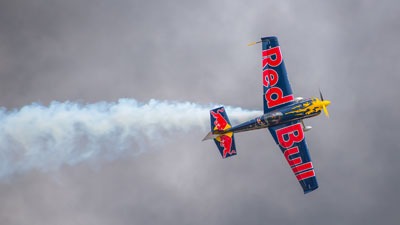
Photo by Jim Bauer
There is one brand that is masterful at this: Red Bull. Every campaign or expression is full of adrenaline, speed, and excitement. How strange would it be if Red Bull suddenly embraced the World Chess Championship? Or not? What would Red Bull’s World Chess Championship look like? If the grandmasters played their games while sitting in the backseat of a Dakar car racing through the desert at dizzying speed.
Examples of Consistent Brands
- Coca Cola: Every expression is about happiness
- Douwe Egberts: A timeless coffee brand that stands for typical Dutch (family) traditions
- Starbucks: a welcome third place
- Nike: With “just do it!” they have been saying for years that there is an athlete in each of us
Positioning Aspects: Flexibility
“Flexibility”?! You just talked about consistency, doesn’t that contradict?

Dance party, modern interpretation of the classic ball
We recently saw a modern production of “Romeo and Juliet.” The ball where the future lovers meet was replaced by a dance party. For us, a great example where the core (positioning) of the story remains the same while the form evolves with time. Powerful positioning is therefore flexible enough to move with time and changing market conditions.
Google is the prime example of flexibility. Think, for example, of the Google doodles, funny or surprising adaptations to their logo to honor famous artists, pioneers, or scientists. Which other brand handles their logo so freely? Google has a clear vision of the core of their positioning, so clear that they allow a lot of freedom around it. “To organize the world’s information and make it universally accessible and useful” has been central since its founding. But this leaves enough room to include Gmail and Maps under the Google brand besides Search. Who knows what the next way of presenting information will be.
Examples of Flexible Brands
- Old Spice: The “swagger” campaign was the epitome of flexibility. The brand that kept its classic line and logo unchanged since 1934 could appeal to a new and much younger audience.
- Tesla: CEO Elon Musk’s 10-year plan provides insight into the positioning of the car brand, which is not about passenger cars but personal mobility.
A Checklist for Positioning?
The above list is probably not directly usable as a checklist when creating a new positioning. Unfortunately. But it is an excellent yardstick for its implementation! Ask the team the questions;
- What purpose emerges from this positioning?
- Does this positioning touch people on an emotional level?
- What is the core of this positioning that we must hold on to at all costs?
- Where is the room in this positioning for creativity, topicality, and evolving with time?
Want to learn more about positioning and how you can get started yourself? Read our page about positioning and find, besides in-depth articles, dozens of examples and models for every possible positioning challenge.