8 rules for recruitment and selection via social media
 The economy is picking up again, and you can see that reflected in the labor market. That’s why you also see more activities in recruitment and selection. It’s no surprise that these activities mainly take place online. LinkedIn earns a large part of its revenue by selling premium subscriptions to recruiters, and big brands eagerly advertise on this platform. Other social media are also frequently used by recruiters, although after LinkedIn there is initially a lot of nothing. Yet we still see very few small to medium-sized enterprises actively recruiting via social media, and selection is not happening at all. Why is that? How do large companies use social media for recruitment and selection? We answer these questions and immediately share 8 rules to give your future recruitment a flying start.
The age-old cliché applies here again; “it used to be so much easier.” You placed an ad or paid a recruiter, you didn’t have many other options. Nowadays, there are dozens of channels where you can recruit or select people. Compared to the past, it has certainly become less clear. Online Marketing has become the foundation of recruitment and selection, with a lot of attention to Social Media.
Recruitment and selection have changed
Recruitment and selection have also changed in another way; you no longer have the luxury of choice. Unless you are Google or Facebook, people think twice. For example, investment bank Goldman Sachs feels compelled to implement “.. a series of changes designed to help it retain more junior employees at the analyst and associate level” [1]. We can conclude from this that money alone, even if it’s $500,000 (which you get after years of hardship), is simply no longer enough! In the Netherlands, large companies also pay enormous attention to recruiting and selecting the top talents. Companies like Philips, Shell, and ING spend a lot of time and money on employer branding and recruiting candidates via social media.
It is inherent in the term top talent that demand exceeds supply. The party that best gets on the radar of the desired group wins. But how do you do that? The following rules will help you in the right direction.
Recruitment and selection via social media: the rules
1) You need to have a good story
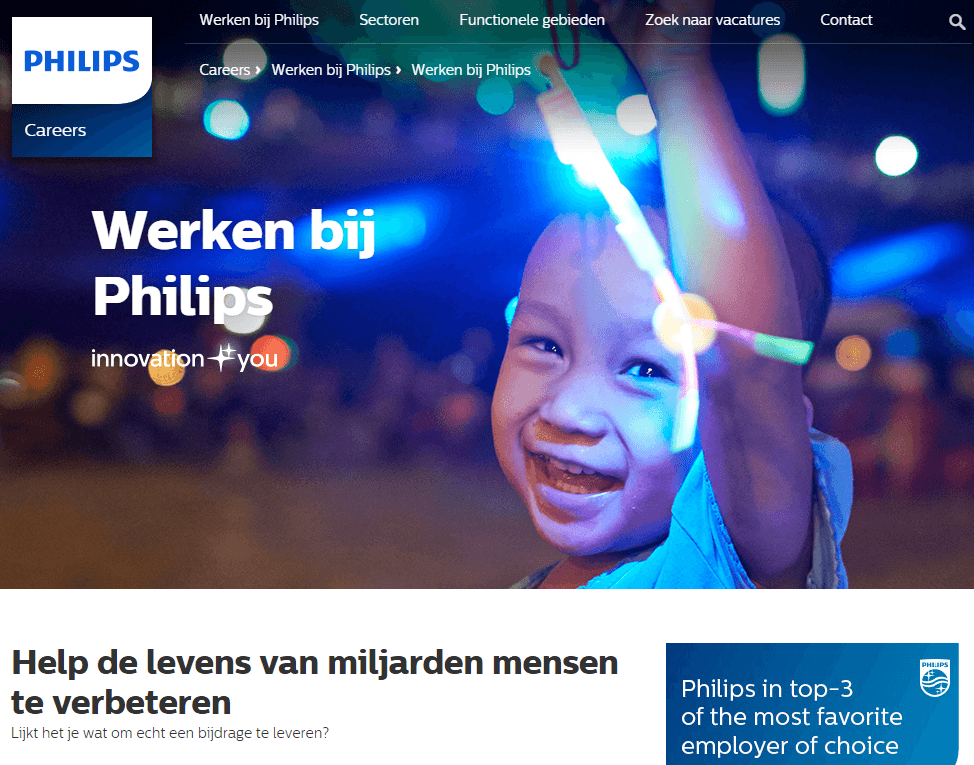 The vast majority of ads talk about challenging environments, work-study opportunities, market-based salaries, and so on. Did your eyes glaze over immediately? Compare that with Philips asking if you want to improve people’s lives and focusing on diversity, or ING wanting to know where you are headed, and Shell mainly talking about impact. These companies simply have their story well in order, a story that fits the organization and the people they want to attract. What story do you tell your future employees? If this is still a bit vague, read our blog: 7 reasons why your positioning is more important than ever.
2) Think long-term
No one spends just one day on social media. If you want to use social media for recruitment and selection, you must be willing to think long-term. That means you need to adjust your goals accordingly. Building a solid presence on social media can take months, so prepare for that. Do you have some budget to speed things up? Then spend it on good content rather than advertising.
3) Your strategy is clear
How will you get the attention of your target audience? Unfortunately, companies often think social media is the answer. Presence is not attention. How will you ensure people take the time to read what you have to say? Want an example? Then read our blog about the brand strategy and positioning of Unilever.
4) You have a specific but above all genuine message
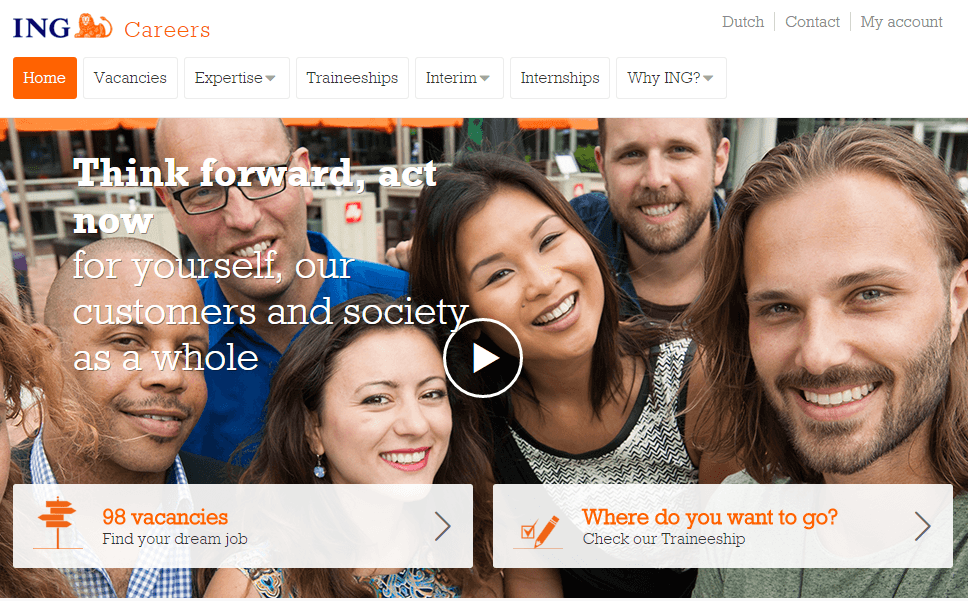 You know them, the buzzwords that appear in practically every ad; challenging, market-based compensation, flexible, and so many others. My eyes, and those of practically everyone, just slide over this nonsense. We all know whether a message is genuine or if the company means what it says. So make sure your message is real and sincere before you put all that effort into getting noticed by your ideal colleague.
5) Use multiple platforms
Just placing an ad and receiving applications is a thing of the past. The same goes for thinking people will come looking for you. Dozens of companies are eager to connect with the right people, and you must ensure you are found in the right place. Is your recruitment target group on Facebook? Then make sure you are there too. Research by BCG with a German university on recruitment and selection in banks shows, for example, that 78% of the target group searched for career information on Facebook, while only 9% succeeded! A missed opportunity for the banks. What have you already missed out on?
6) Make it human
Recommendations from friends and family and ‘networking’ are the most important ways to get a new job. Real stories from your employees reach much more than those contrived cases marketing proposes. Moreover, such a story is shared many times more, which only increases your reach.
7) Show, don’t tell
It’s a golden rule for writers and should also become one for recruitment and selection. Show which groundbreaking project you just completed and the special results it delivers. That is much more powerful than the standard: “We are an innovative company that is well regarded by various market parties.”
8) The eye wants something too
A clumsy and cobbled-together message stands out immediately. Want to attract professionals? Then do it professionally. Make sure your message or expression looks inspiring, distinctive, and flawless. Sounds logical, but it happens all too often that messages are blindly blasted on various channels ‘because it had to be done.’ This actually damages your employer brand.
In short, recruitment and selection via social media requires a clear and thoughtful approach. Too many companies take the easy way out and miss a great opportunity to bring in a new generation of colleagues. Recruitment and selection are the foundation of competitive strength and distinctiveness, and these 8 rules help you get the most out of your recruitment and selection via social media.
A good story sells itself. Merkelijkheid writes that story and then helps you realize the means to make that story known in the market. Even if your brand’s positioning is already clear. Could you use a helping hand? Let us know.