Determining the Best Color for Your Positioning and Brand Identity
Have you ever wondered why so many large companies have a blue logo? About 90% of impulse purchases are determined solely by color (source). If you now shrug your shoulders because your B2B product or service is not that fleeting, you are missing the point. Even if the purchasing process takes longer, color has a huge influence (source) on decision-making. Color is a major factor in our judgment of a brand. What effect does the color of your brand have?
Determining Color in Positioning and Brand Identity
The model below is a helpful guide for a conversation about colors in relation to brand identity and positioning.
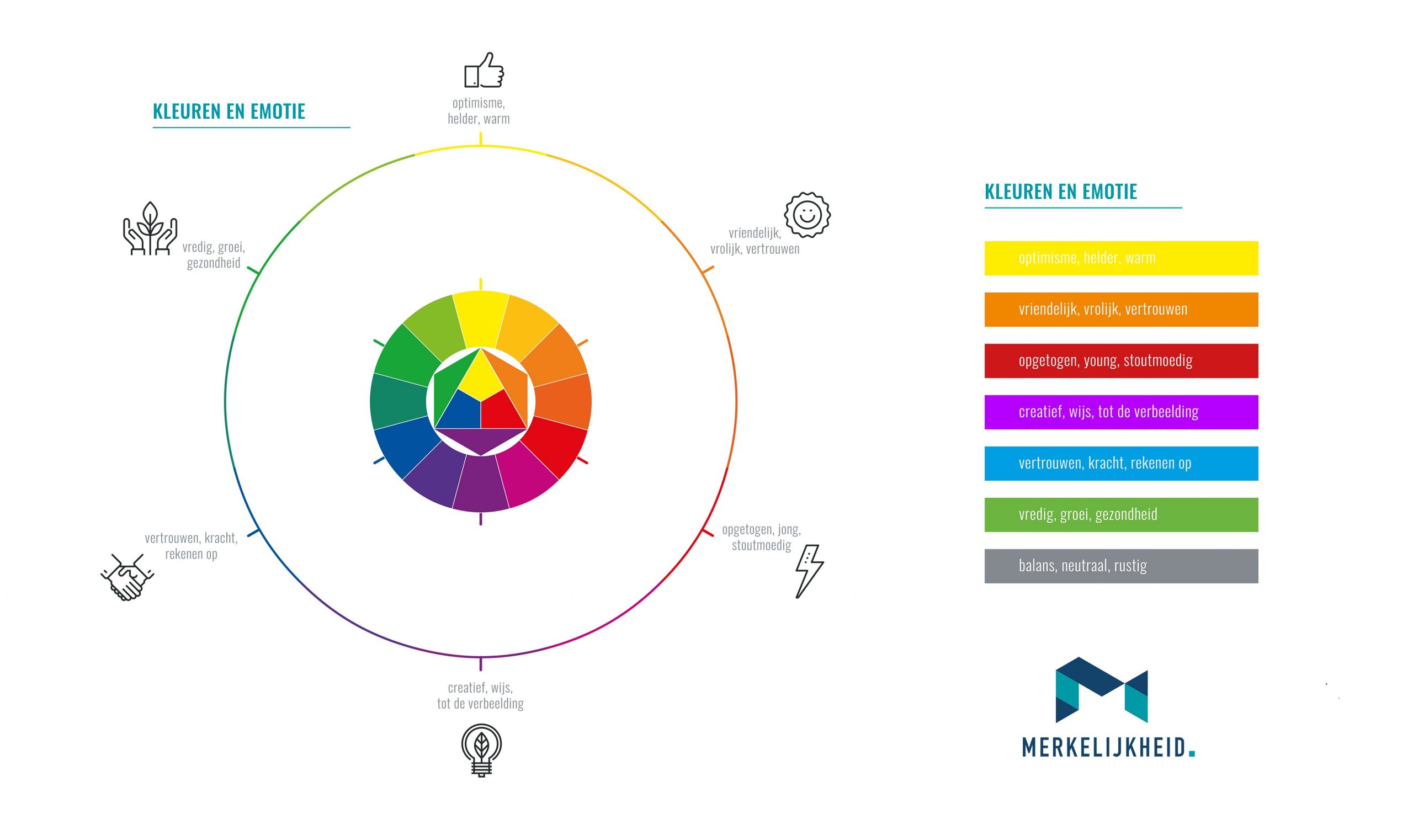
The color and emotion wheel helps you determine the best fitting color for your positioning and brand identity. Click the image to download the high-resolution file.
In terms of positioning and brand identity, the main considerations for choosing a color are:
- Color usage of the main competitors
- Positioning concept / desired brand archetype
Consequences of Color Usage by Competitors
Colors evoke feelings. It is no coincidence that in many markets the established market leader uses a lot of blue. Blue stands for trust, strength, and reliability.
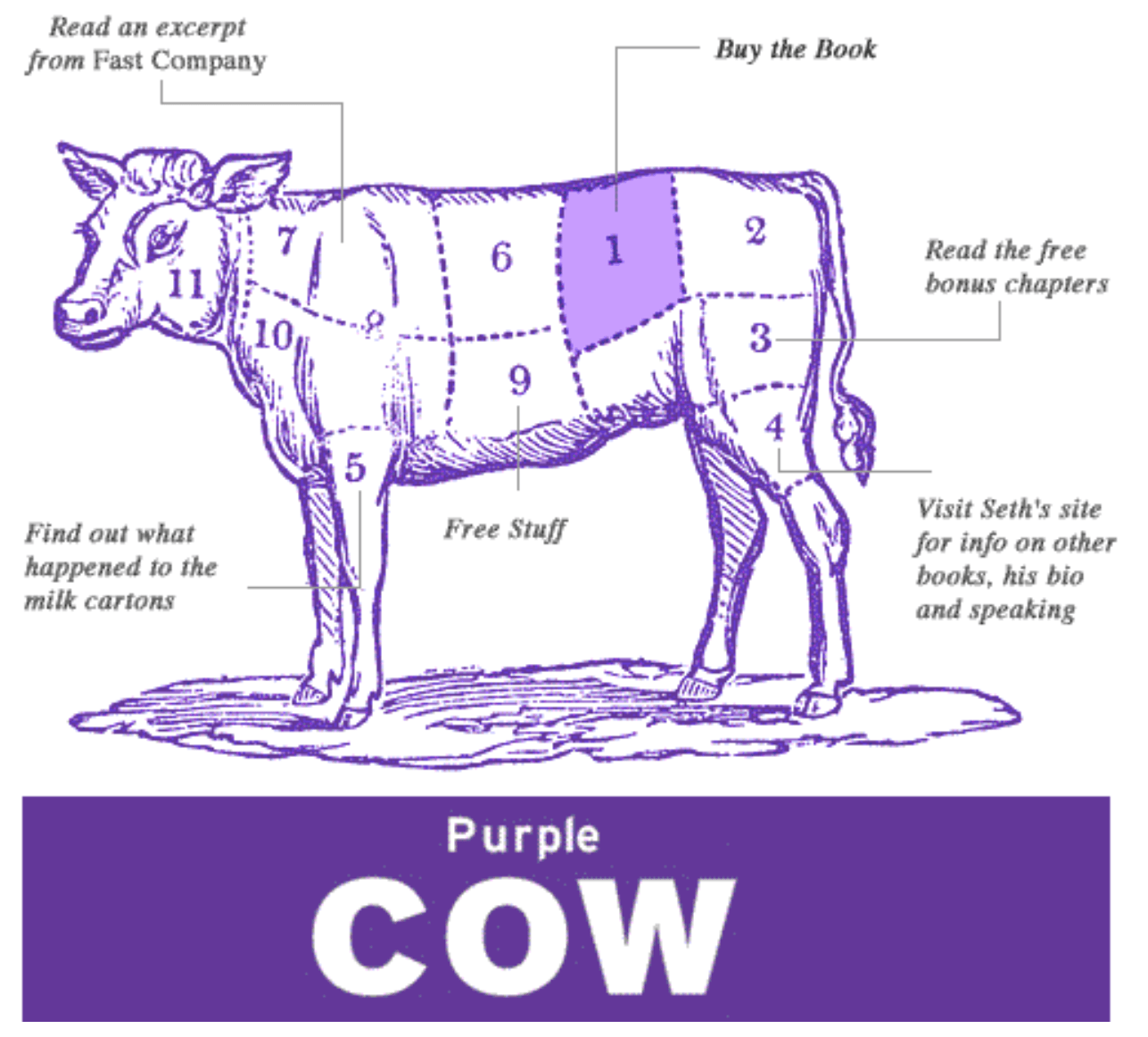
So you also need a purple cow in this market.
In this market, as a newcomer or new brand, it is unwise to also choose blue as the main color. Why? Your main competitors have had years to link their brand to this color. Your also-blue brand will at best be seen as a variant of the same, and why would anyone switch?
In many cases, the best decision will be to consciously distance yourself (clearly position yourself differently) from the colors of your main competitors.
Brand Identity and Positioning Reinforce Each Other
Our brand must not only stand out, it must also gain a preferred position in the customer’s mind. How do we ensure that our brand identity and positioning reinforce each other?
Research shows that people prefer a brand whose brand and chosen color match. A few years ago, ING decided to change course; it wanted to become the preferred bank for the Dutch. It had to be a bank that enables people to move forward. The color orange fits not only the Dutch identity but also the emotion at the core of their positioning. People now recognize that orange fits ING. ING now receives higher ratings than major competitors ABN and Rabo.
So choose a color whose emotions align with the story you tell as a brand. You can nicely use our wheel for that.
Examples of Color Usage in Brand Identity
For each color, we discuss one or more brands where it forms the basis of the brand identity and how this color fits the positioning.
Yellow as the Main Color in Brand Identity
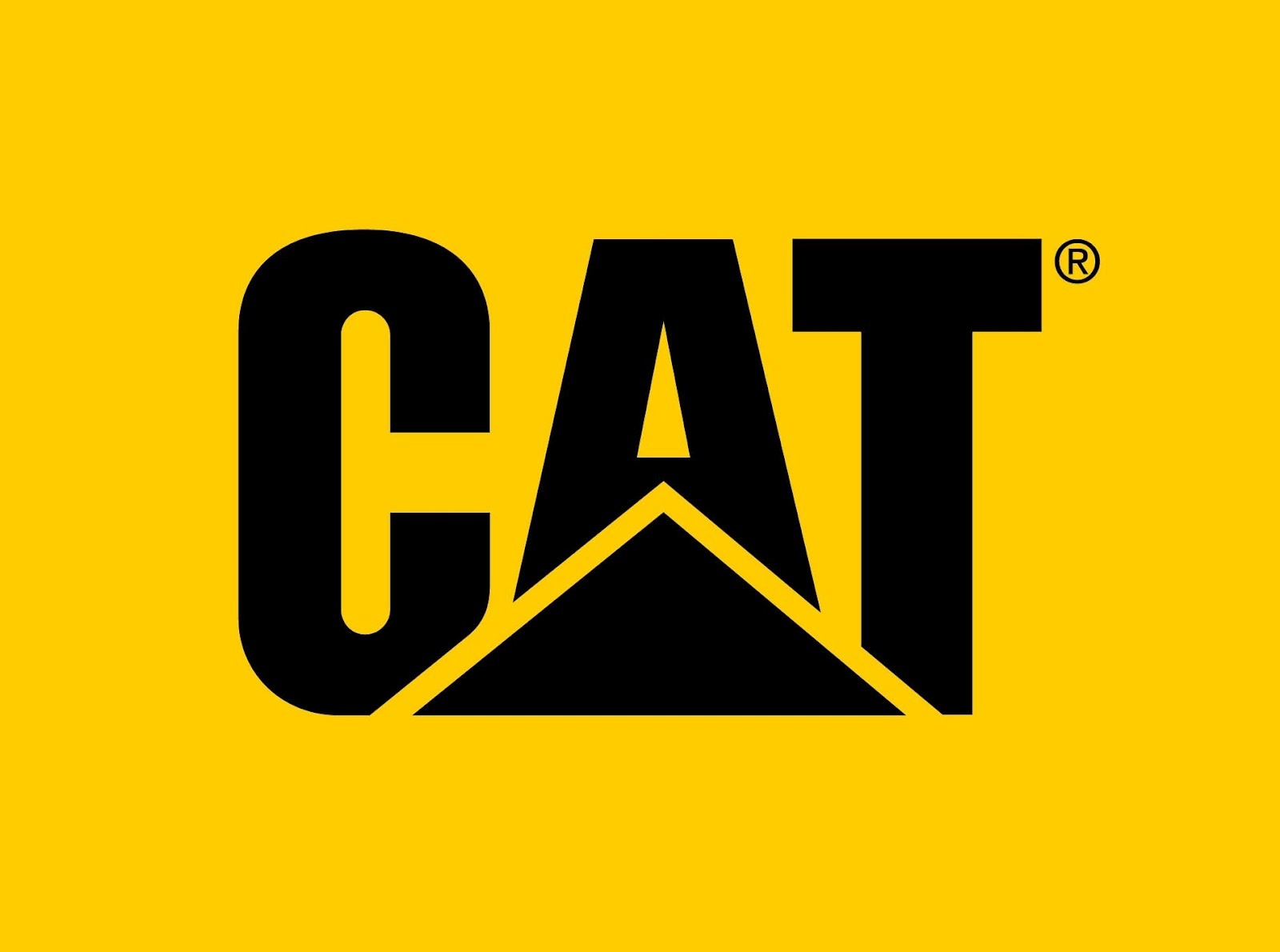
Yellow communicates optimism and clarity but also warmth. The shade of yellow is more important than other colors; a lighter variant communicates a low price, while a darker variant tends to convey playfulness.
A good example of the latter is the Caterpillar logo:
Rental company Hertz chooses a lighter yellow in a mainly price-driven market:

Orange as the Main Color in Brand Identity
With orange, we associate terms like friendly, cheerful, and trustworthy. Especially for the Dutch, there is also a bit of nationalism. As we said earlier, one of the largest Dutch banks, ING, claims the color orange for exactly this reason. But what are other brands that put orange at the center of their brand identity?
The ‘Amazon smile’ is rendered in orange. The largest online store wants to inspire trust, trust that the consumer can turn to them for everything. And successfully so; founder Bezos is now one of the richest people on earth.
Harley Davidson also chooses orange for a brand that centers on freedom. With the rebellious brand, we think of the vast American roads and how it feels to ride a Harley toward the sunset. Who wouldn’t feel cheerful from that?
Red as the Main Color in Brand Identity
Red stands for excitement, youth, and courage. It’s not hard to find a brand that fits this; almost everyone thinks of the same brand when they think of red: Coca Cola:
The brand remains positive and wants to connect with young people and the most beautiful moments in life. Whether it’s Christmas or summer, Coca Cola is there. The slogan was for years ‘Always Coca Cola,’ but the company takes it a step further with its experience-oriented positioning.
Purple as the Main Color in Brand Identity
Purple is strongly associated with blue and has been a royal color for centuries. This is due to the exorbitantly high cost of making the dye; only rulers could afford it. But purple, and its many shades, are mainly associated with creativity, wisdom, and imagination.
The Milka logo mainly uses the power that this traditional purple evokes and stays closer to the familiar blue. It evokes a kind of ancient wisdom, a brand that is reliable, that you can trust.
T-Mobile clearly chooses the more creative side of the color with its variant. The brand sets itself apart from the rest of the market, literally, because it has secured exclusive rights to use its magenta. The brand wants to appeal to a younger audience and uses the color as a lever to attract and hold attention.
Blue as the Main Color in Brand Identity
Blue is the color of the market leader in many markets and evokes trust; blue brands are reliable and strong.
Price fighter Dell went all out to turn the computer market upside down. And it succeeded; the company quickly climbed to the third market share. A great achievement in a market dominated by IBM (later Lenovo) and HP. Both also brands with a blue logo, by the way.
Ford has been one of the largest car companies in the world for decades. The brand embodies, with its huge trucks, the strength and reliability that people associate with the color blue.
Green as the Main Color in Brand Identity
Green stands for growth, calm, and balance. Although the connection with nature is evident, that is not the main bond certain brands have with the color.
First, our ‘own’ Heineken. The color green, according to the story, is associated with high-quality beer. Additionally, Heineken wanted to distinguish its brand from the ‘brown’ competitor. The brand’s pursuit of calm is also evident in the ‘smiling’ e’s in the logo itself and is therefore reinforced by the color green.
Starbucks positions itself as the ‘third place,’ the place besides home and work where you feel at home. The brand found that calm and balance in the color green, and no matter how much the logo evolved, the color remained.
Want to know more about positioning and how you can get started yourself? Read our page positioning and find, besides in-depth articles, dozens of examples and models for every possible positioning challenge.
Sources:
- https://www.helpscout.net/blog/psychology-of-color/
- https://www.laneterralever.com/psychology-of-color-how-color-affects-brand-perception
- http://onlinelibrary.wiley.com/doi/10.1002/col.22180/full
- https://link.springer.com/article/10.1007%2Fs11747-010-0245-y
- http://www.emeraldinsight.com/doi/abs/10.1108/00251740610673332