Brand archetype Lover: to love and be loved
Are emotions or relationship-building central to your brand? Chances are you are a lover! The Lover brand archetype revolves around passion, emotion, beauty, and intimacy and is also known as the romantic, seducer, or lover. These brands intensely crave approval from their target audience and achieve this by placing the customer relationship at the core.
Brand Archetype Lover: Everything Revolves Around Love
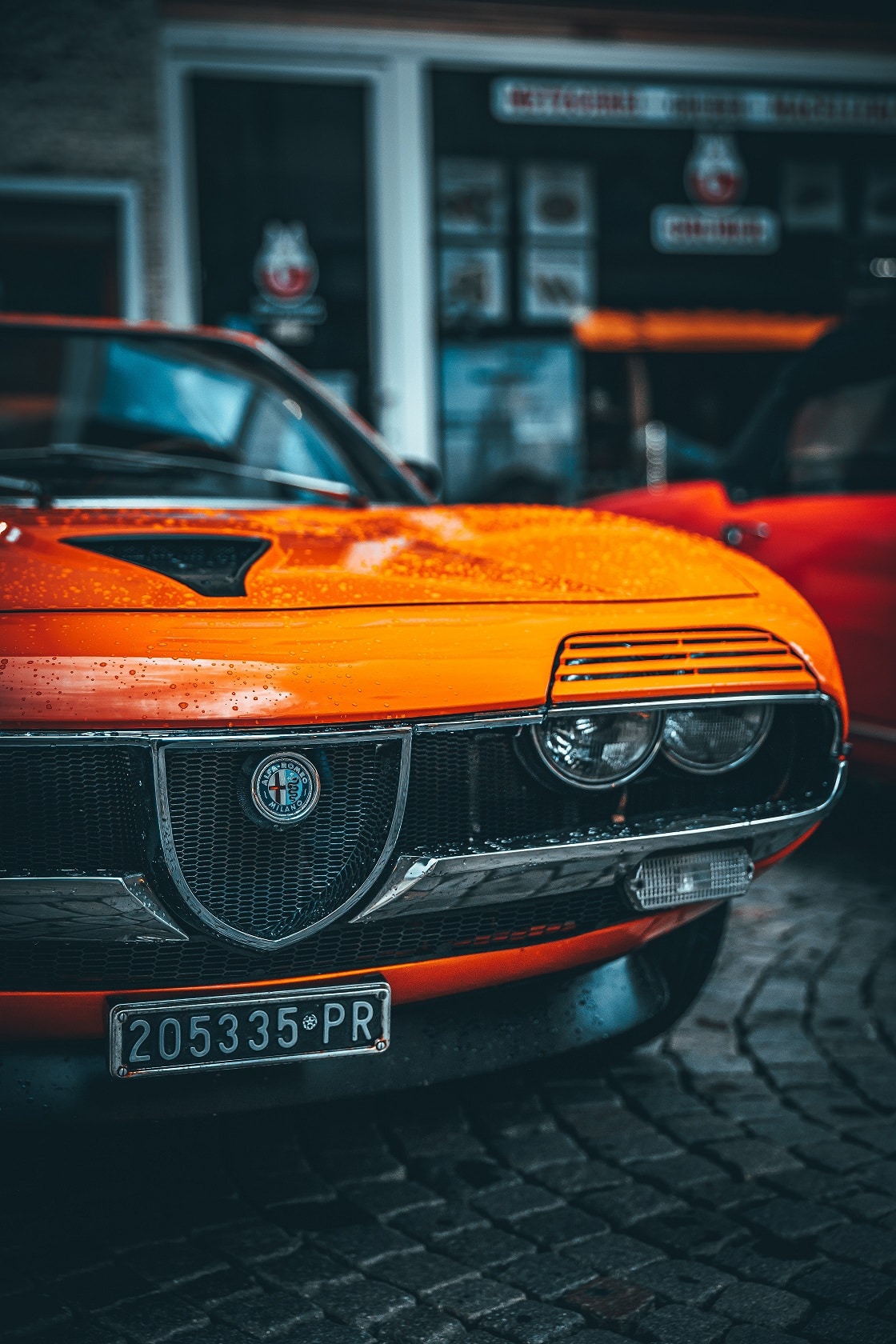
Car brand Alfa Romeo is a Lover, a car brand for true enthusiasts
The lover is also known as the romantic, seducer, or matchmaker but can also appear in the role of a best friend. All these types share that (platonic) love, intimacy, and appreciation are central. What is life without love and appreciation? Nothing, this brand archetype would answer.
The first association with Lover brands is undoubtedly a consumer brand, but it is also a valid brand archetype for B2B brands. It is a reliable partner for others, loyal and respectful, charismatic and intense, with an eye for detail. Customers of a lover brand feel special and appreciated and often have a long-term relationship with the brand. It’s all about connection on an emotional level.
Lover brands often offer products where pleasure or beauty plays an important role. Think of expensive chocolates, exotic cars, and luxury brands like Chanel or Dior. But the lover can also be a spiritual or strategic partner. In this role, it helps customers achieve goals or supports them through a transformation.
From Pleasure to Self-Acceptance, Magnum is a True Lover
Unlike an Alfa Romeo or a new Dior outfit, you don’t pay hundreds or thousands of euros for a Magnum ice cream. Yet the brand is positioned in the higher segment in its market. Over the past decades, Unilever has successfully positioned Magnum as a premium ice cream brand.
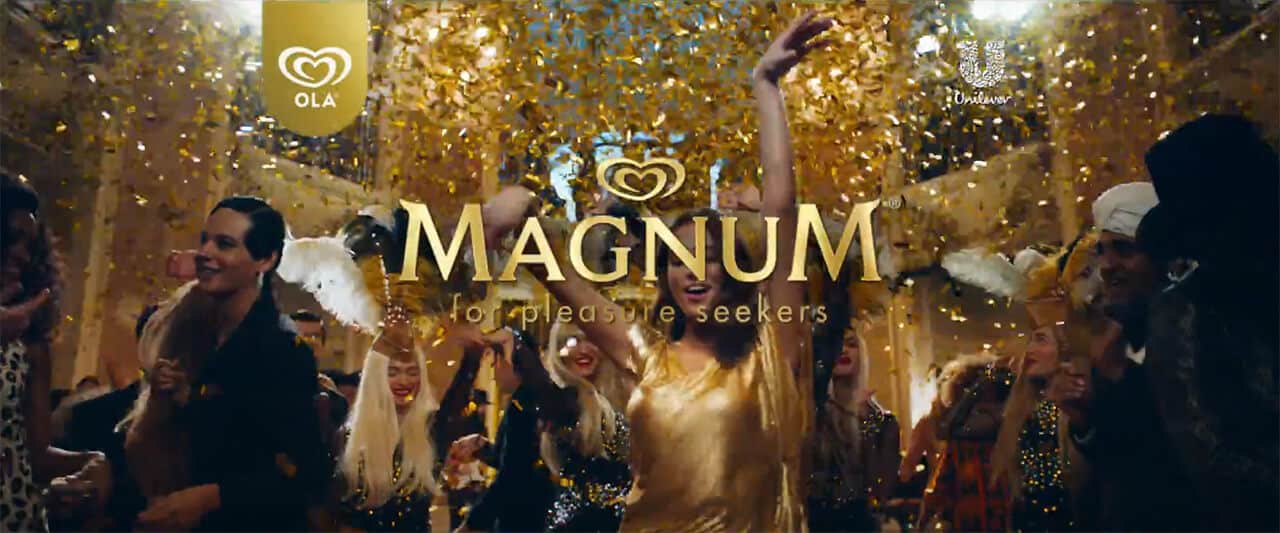
Pleasure and enjoyment are central in Magnum’s campaigns, as a lover brand archetype among ice cream brands.
Typical for a Lover, pleasure and enjoyment are central at Magnum in sensual campaigns. Attractive models are admitted to the exclusive Magnum club or literally unleash the beast within themselves while the voice-over emphasizes the high-quality and exclusive ingredients in the ice cream. With slogans like ‘Take pleasure seriously’ and ‘For pleasure seekers,’ Magnum shows it takes its audience’s desires seriously.
But Magnum’s message has recently often risen above the first level of a lover. What increasingly matters is the feeling that one bite of a Magnum evokes: besides pleasure, you choose happiness and the freedom to be yourself with Magnum.
With this, Magnum goes beyond the first, fleeting ‘pleasure level’ of the lover and presents itself as a reliable partner for personal goals. And this did not remain just abstract advertising:
In 2017, Magnum was under fire in Australia due to a campaign around the slogan ‘Pleasure is diverse.’ It featured a marriage between two women at a time when same-sex marriage was not yet allowed in Australia and there was intense debate about legalization. A Magnum spokesperson responded to the commotion: ‘Whoever you are, wherever you come from, and wherever you are going, we all deserve to live in an open society that accepts everyone. Because only when we can be the best version of ourselves can we enjoy life more.’
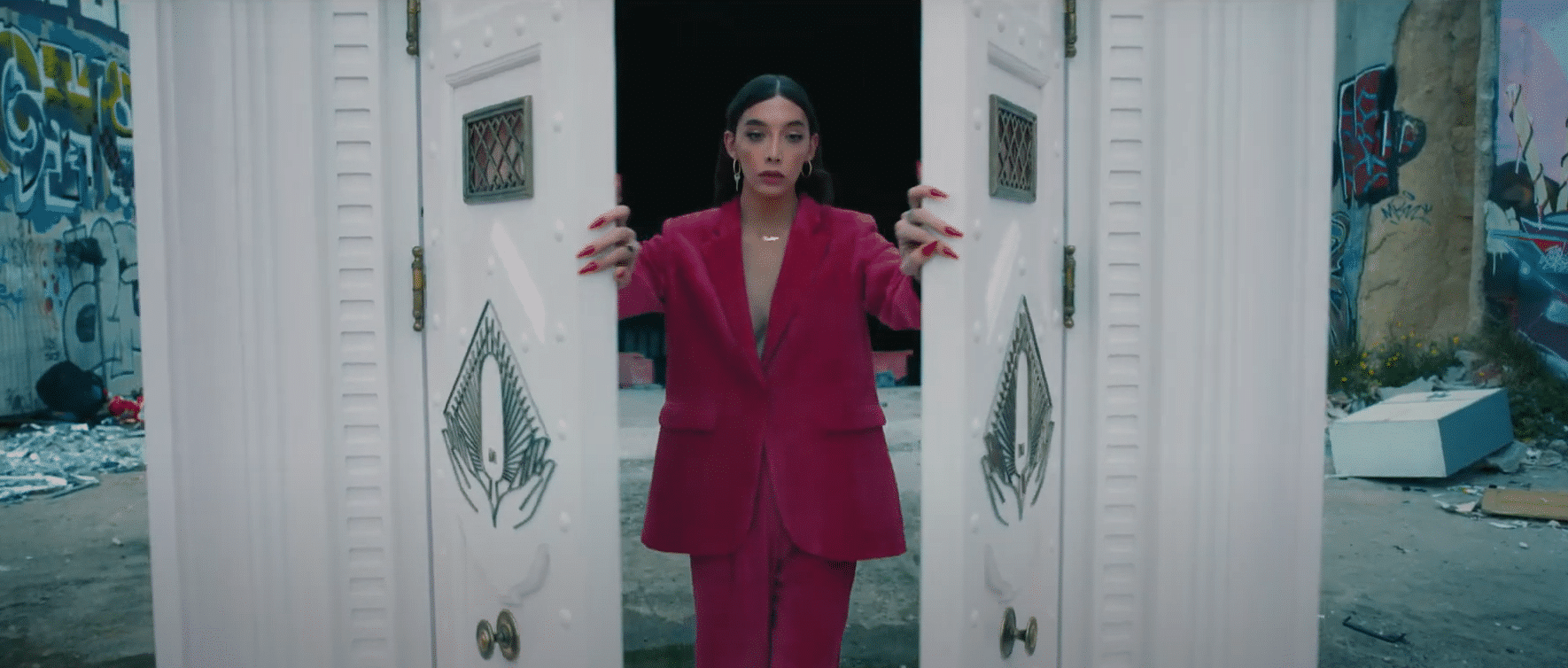
Magnum’s Lover brand archetype has outgrown the ‘pleasure level’ in recent years and hints at meaning, self-love, and true acceptance.
Also, in a more recent campaign, Magnum refers to a spiritual connection, again focused on pleasure and staying true to yourself: #truetopleasure.
The 3 Levels of the Lover Brand Archetype
The lover brand archetype is in all of us. Everyone is searching for pleasure, love, emotional connection, or a spiritual bond. It’s no coincidence these have been the main themes in literature, music, film, and every other form of art since time immemorial. This is what the Lover and its customer relationships revolve around or what it helps its audience achieve. Like every brand archetype, the Lover can take different directions, and we distinguish three levels:
- In the moment – Enjoy the good things in life. Feel pleasure, see beauty, experience creative energy, or surrender to sensual delight. No worries about tomorrow.
- Connection – A friend or companion, someone who selflessly wants the best for you. A partner or comrade or a matchmaker who connects you with others and minimizes the risk of rejection. Many different roles revolving around deeper emotional connection.
- Meaning – The third level is about the ultimate emotional connection. A soulmate, a deep faith and life conviction, or complete self-acceptance.
The first level is somewhat fleeting, but is that so bad? That casualness can have great appeal and make someone willing to pay more for your product or service. And there is no reason not to come back. While on the second level, you dive deep and mainly want to give.
The second and third levels undoubtedly seem far from your experience; unconditionality or meaning is not something we immediately associate with brands. Yet brands are increasingly tools with which we shape our own identity. How can a brand that is inseparably connected to the identity of its audience not be successful?
Example Lover Brand Archetype Industry: PPG
PPG is an American manufacturer of glass, paint, and coatings, among other things. The products are used in various industries such as aviation, automotive, and construction, and the company owns consumer brands like paint brand Histor. PPG’s slogan is a clear Lover statement: “we protect and beautify the world.”

A good practical example is the coating developed by PPG for private cars in the 1960s. This coating was already used to prevent rust on industrial vehicles but was first applied by PPG to protect private cars against rust. Fits perfectly with the slogan, positioning, and brand archetype of PPG.
The variety of available colors as we know them today in hardware stores also comes from PPG. In the 1970s, it introduced the DesignaColor System, which allows paint for consumers to be adjusted to various shades. This way, PPG helps you make your living environment more beautiful.
What stands out when looking at PPG’s imagery and language use are the people. Wherever you look, people are central in the photos and videos. Also, the text mainly focuses on people and the influence PPG’s people have on other people and communities. The focus on the (emotional) experience of its customers fits perfectly with the Lover brand archetype.
PPG expresses itself on the first level of the Lover; in the moment.
Example Lover Brand Archetype Industry: Feadship Royal Dutch Shipyards
Before you continue reading, take a look at this image:

Need we say more?
This idyllic image undoubtedly evokes some feelings in you. The typical images of beauty and elegance, the ballerina, the moonlight and the mountain, the sleek lines of the ship, are currently on the front page of Feadship’s website. The image evokes pure luxury and elegance. This Dutch company is, as they say themselves, the world leader in fully custom-made and designed superyachts.
Feadship is craftsmanship, design, and customization. Unlike PPG, Feadship does focus on the product in its imagery and we see far fewer people. At Feadship, experience and craftsmanship are central. In texts, the company speaks of perfection, making the impossible possible, and commitment. Feadship doesn’t build yachts, but experiences. The ultimate luxury experience that its customers get to enjoy.
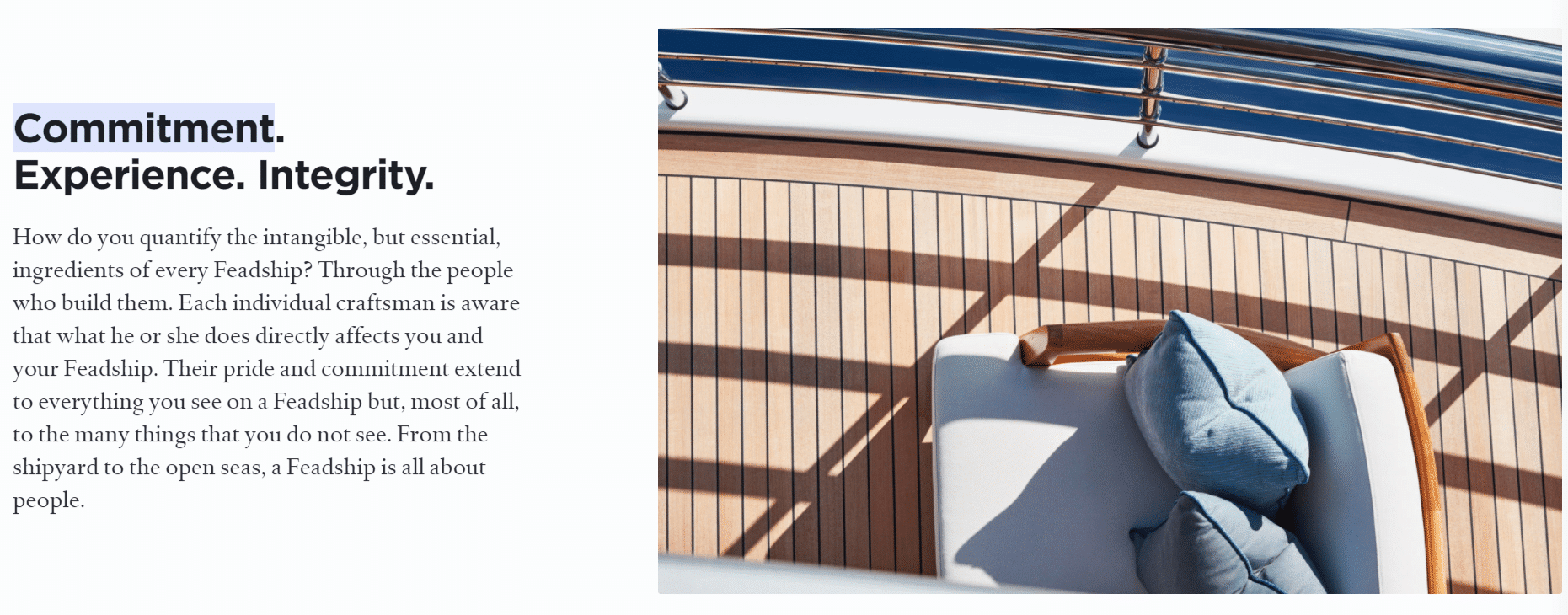
Between the lines, we see that Feadship targets the third level of the Lover; meaning. Customers who choose Feadship as a superyacht builder express their desired identity. This identity obviously revolves around the ultimate experience and beauty that a Feadship can offer.
Does the Lover Brand Archetype Fit Your Brand?
Do you recognize your brand in the motivations of the Lover and the examples we have given but still hesitate? The lover brand archetype fits your brand or organization if:
- The customer relationship is central
- Your product or service offers beauty, communication, or intimacy. Customers feel beautiful and confident through your product.
- The internal culture of your organization is characterized by an intimate, friendly, and small-scale atmosphere. Even in large organizations. Think of Feadship, they speak of individual craftsmen who make the difference.
- Your product or service falls into the higher-priced, luxury segment
- Does your product help people find new relationships, such as new colleagues, friends, or partners? Chances are you are literally a matchmaker!
Advantages of the Lover Brand Archetype
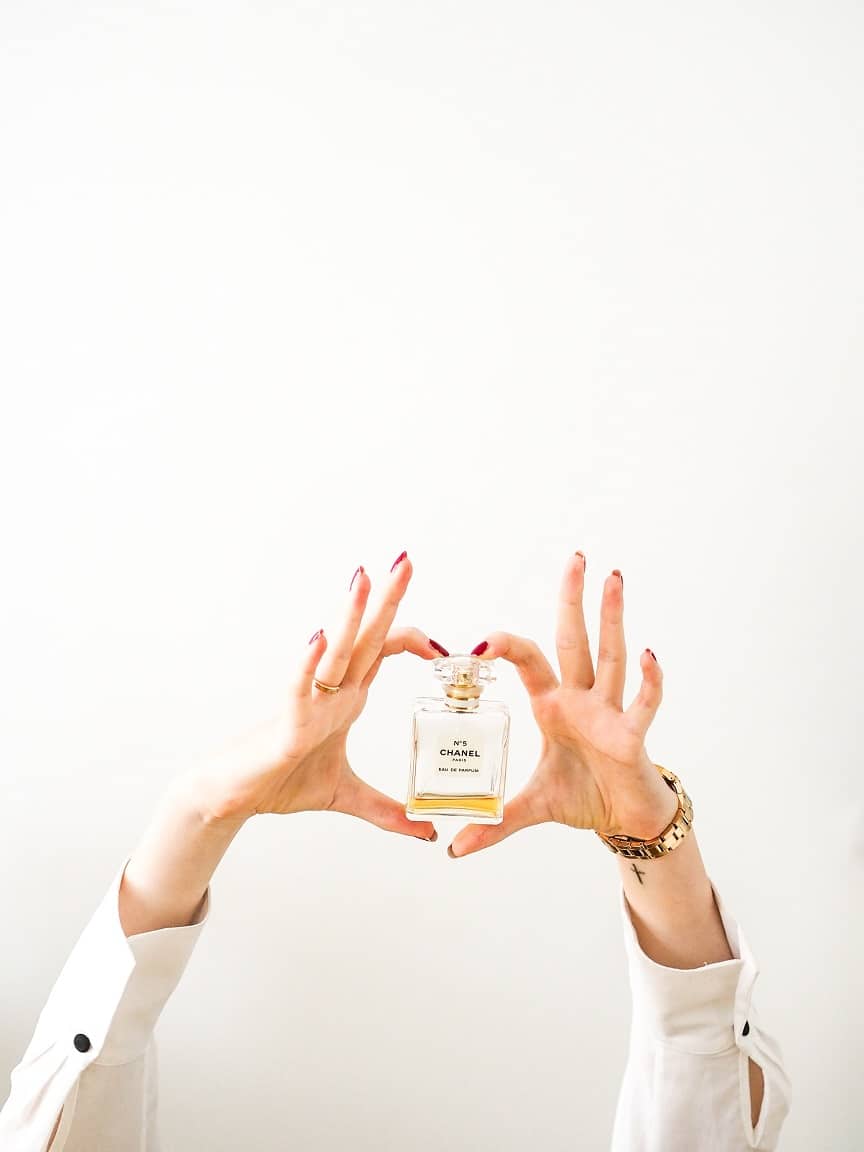
Chanel has been offering ‘uncomplicated luxury’ for over 100 years and knows how to bind customers for life.
The lover has a very large potential target audience. Unique to the lover brand archetype is that love is a driving force for everyone and almost their entire life. From childhood to old age, people are concerned with love in all its different forms.
A well-executed lover positioning fits a brand where the customer relationship truly is central and offers your brand the opportunity to bind a customer for life. The relationship and appreciation customers feel for your brand is also directly why they are willing to pay a higher price. The lover is therefore ideal for binding a large group of loyal customers!
Not only customers love the lover, employees also like to work for your brand. Employees feel passion for the product, service, or organization and feel connected to the company’s vision. Internal competition is no obstacle for the lover; employees work in close teams toward the same goals.
By placing the customer relationship at the center and truly pursuing intimate relationships with customers, the wishes and desires of your target audience are always in sight, and you have a clear customer base. And those customers are happy to share what they think of your brand. The excellent relationship with customers gives the lover access to valuable customer feedback and opportunities for market research among a very well-defined customer group.
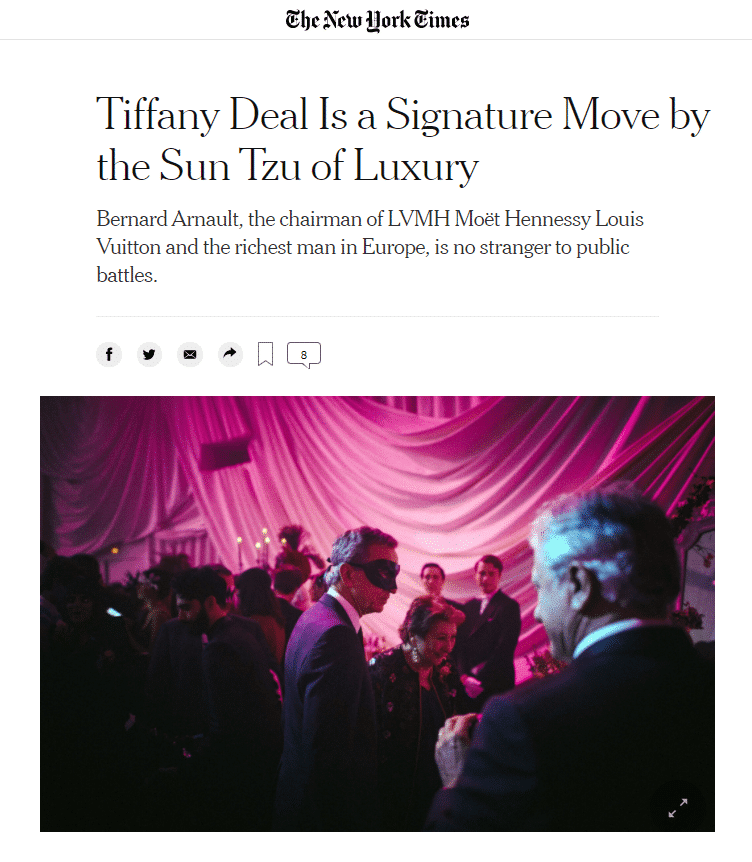
LVMH, with brands like Dior and Moët, is the largest luxury goods and brands conglomerate in the world. But the organization is increasingly known as ‘the wolf in cashmere,’ due to hostile takeovers of, for example, Hermès and Tiffany.
Pitfalls of the Lover Brand Archetype
The self-worth and success of a typical lover largely depend on the confirmation it receives from its target audience. If this confirmation is lacking, for example due to disappointing sales or worse, bad reviews, the lover risks becoming rudderless, abandoning its own knowledge and expertise, and desperately searching for what does resonate with the customer.
Another pitfall of the Lover is formed by two typical opposites of love, friendship, and intimacy: conflict and jealousy. For organizations, these are two possible obstacles on the way to a successful lover positioning. Although the fight for your customers’ attention is naturally present, customers of the lover do not want to notice this. For the Lover, jealousy is a natural trait; these brands must be careful not to be too distracted by the competition. Keep the focus on the customer and show them why your brand is the most attractive choice.
Marketing of a Lover Brand Archetype
There is no other brand archetype where looks are so decisive. The customers of a lover want to be seduced with beautiful campaigns in which their desire is central: a more beautiful home, a good friendship, or love for yourself. Through your marketing campaigns, the customer feels special, loved, and connected to your brand. Physical points of sale and webshops appeal to emotion, exclusivity, or personal attention. And don’t forget aftersales and customer service! Here too, a good Lover distinguishes itself with personal attention by listening well to the customer and putting their interests first.
Other Possible Brand Archetypes
Do you recognize some things about the Lover but still hesitate whether this brand archetype really fits your brand? We list two possible alternatives:
The Ally is also very focused on the customer’s interest. The difference is that an Ally is mainly driven by a desire to “belong” and seeks acceptance from others. The lover, on the other hand, seeks intimacy, has less need to be accepted by others, and rather encourages you to accept yourself as you are.
The Caregiver wants to care for others and thus also has a strong focus on the customer. Where the Caregiver derives satisfaction from the positive contribution it makes to the lives or goals of others, this satisfaction for the Lover comes from the relationship with others. It’s not about what the lover does for its customers, but how they feel because of it.
Want to know more about brand archetypes? Then continue reading on our brand archetype page, where we gather all information about brand archetypes.