Brand archetype hero: improve the world and prove yourself
Are you ready to fight for your customers (or the world) and give it your all to win? Then the Brand Archetype Hero might be tailor-made for your brand. In an era of blockbuster superhero movies, the Hero is well-known to everyone, but what does it mean for your brand? And how do I apply the Brand Archetype Hero in a B2B environment such as industry or business services? We explain how a Hero is composed using well-known brands and concretely show how you can apply this to your brand.
Where there’s a will, there’s a way

Do you dream of being a hero?
The brand archetype Hero has been known throughout the ages. In recent years, we think of comic heroes like Superman and Batman, but also James Bond, John Wayne, and Hercules are typical heroes.
Heroes have all achieved mastery, an innate or learned power, with which they bravely take on the fight. They fight against injustice, villains, or simply in a competition. A hero uses their mastery to win a worthy battle and thereby prove themselves.
What is the Brand Archetype Hero
The brand archetype Hero responds to a challenge; for example, an unrealized ideal, a weaker person to defend, an opponent challenges you, or sees a great injustice. The hero takes action because they know their mastery can make a difference. The goal of the Hero is to improve the world itself.

Not a sword but a car makes a modern hero
An important element in the hero’s story is often the tool or the way they achieve mastery. In many myths, it is a sword, but how many films do you know where the young hero is trained by the old master to defeat the opponent? Contemporary brands are often not the hero themselves; they help their customers achieve mastery.
Not every Hero likes boasting. Often a Hero simply does what they believe must be done and does not need to publicly take the credit. Yet there is a strong need for proof in the brand archetype, even if only to themselves. A Hero cannot stand it if another (brand) has more power. Out of jealousy, a hero can quickly become a villain.
3 levels of the brand archetype Hero
The most used example for the Brand Archetype Hero is undoubtedly Nike. Named after the Greek goddess of victory, Nike has associated itself with the hero from the very beginning. These can be famous athletes, but increasingly the ‘ordinary’ person is central. Just do it is the slogan meant to inspire everyone to become a hero.
Nike refers to the most common level of the hero, the (internal) drive to prove strength. The three levels of the Brand Archetype Hero are:
- Pushing boundaries, growing in competence, achieving mastery, and expressing that in performance, motivated by or measured in competition.
- Doing your duty (think of a soldier) for your country, company, community, or family
- Using your strength, competence, and courage to make a difference, to improve the world
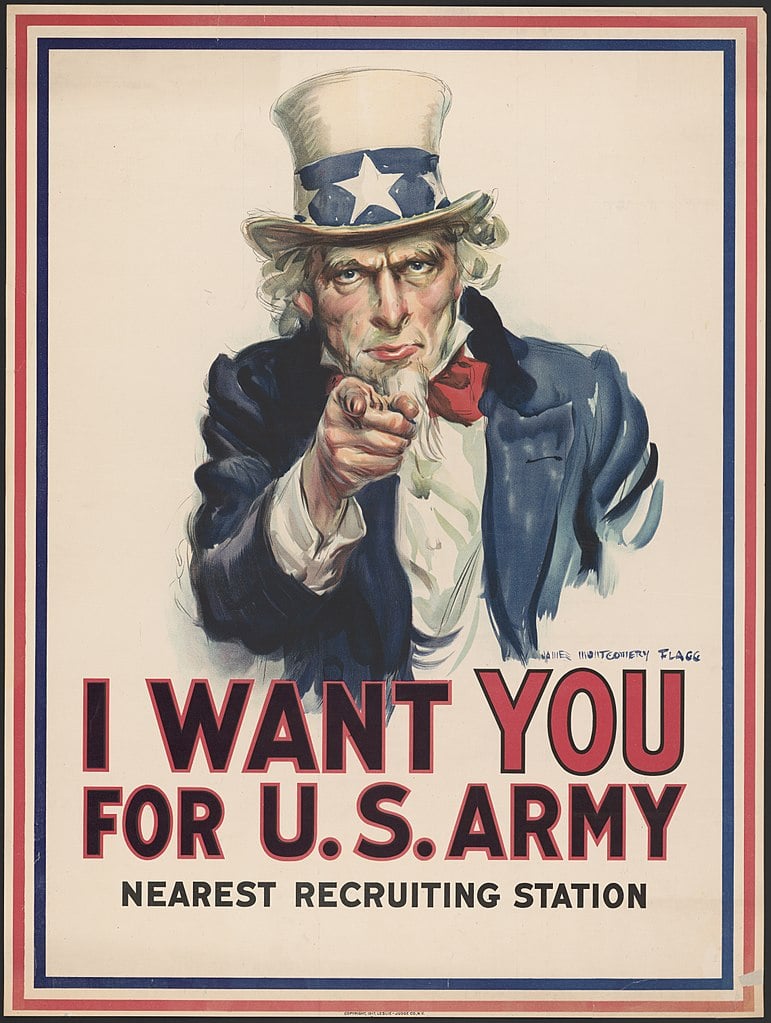
Appealing to a sense of duty
There are few brands that can appeal to our sense of duty. Defense is, for example, a large ‘brand’ that claims this, but even they tend to be at the first or third level. In distinctly patriotic countries like the USA, brands are more successful in communicating at this level.
At the third level, you quickly think of charities like Doctors Without Borders, UNICEF, or the Red Cross, but there are also commercial companies that contribute on a smaller scale to a better world. By genuinely rising above self-interest, they manage to bind many people to themselves, and why wouldn’t those people then choose that sympathetic brand?
Example Brand Archetype Hero: BMW
German car brand BMW has long embraced the Brand Archetype Hero. The driver and thus the driving experience have always been central in BMW’s communications, unlike the quality or technological ingenuity with which competitors Mercedes-Benz and Audi profile themselves.
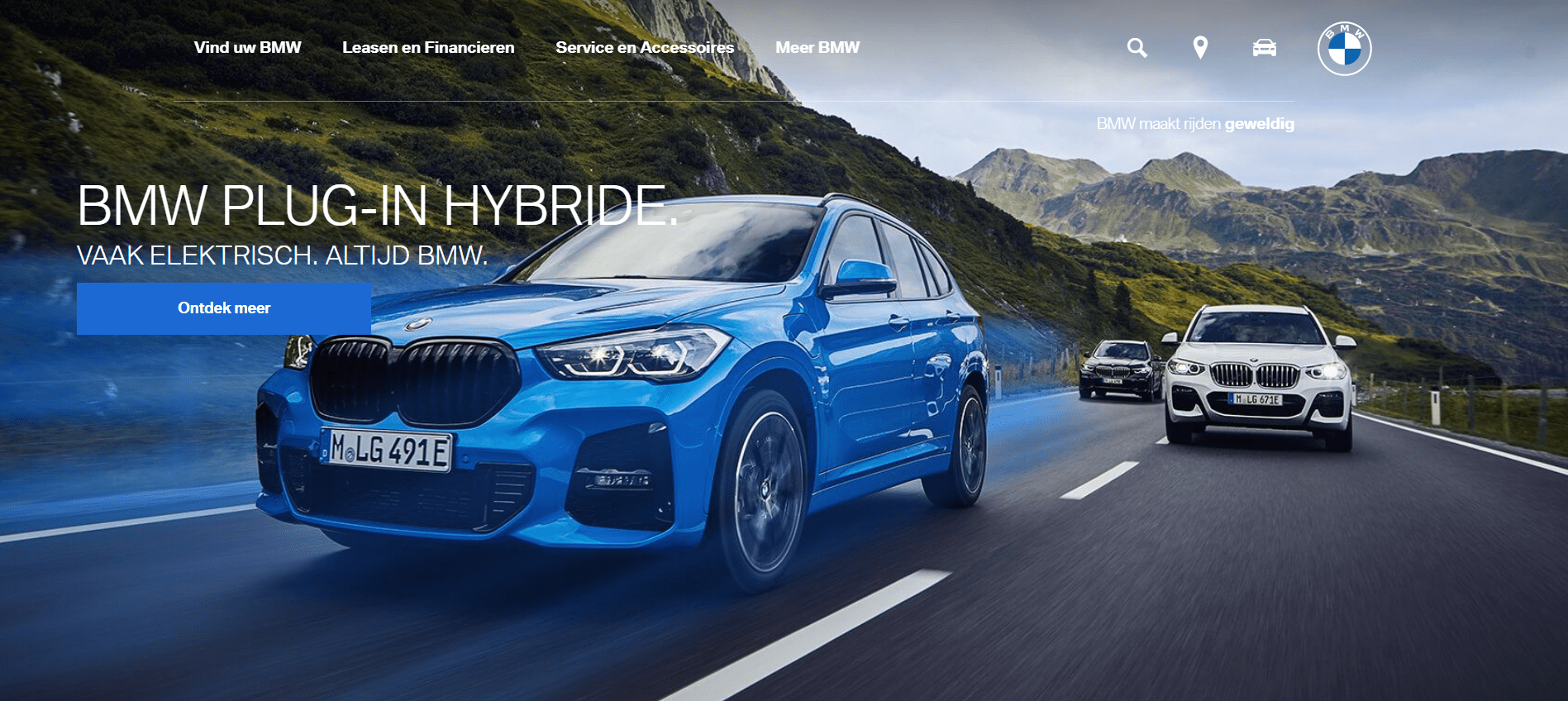
The Dutch homepage of BMW
BMW Slogan
Already in 1929, BMW called its driving experience Ein wundervolles Erlebnis, and in 1960 the famous slogan Freude am Fahren appeared. This can be well translated as, for example, ‘Real Driving Pleasure’ or ‘Sheer Driving Pleasure’ and was wonderfully translated for the American market as ‘The Ultimate Driving Machine’.
That BMW is aware of its role as Hero and how its customer likes to see themselves is evident from the film they had director Guy Ritchie make with Clive Owen as ‘the driver’ of Madonna in an iconic M3:
The best-known BMW commercials show the car speeding on the road. The most important aspects for BMW are speed, road holding, and control because these determine the driving experience, and the brand is not afraid to evoke that with rougher statements. What about, for example; ‘Lose your innocence in 3.9 seconds’, ‘Faster than imagination’, or ‘Luxury has just lost its manners’?
Performance is central in the presentation of this Hero.
Example Brand Archetype Hero business services: Accenture
An example of the Brand Archetype Hero in business services is consultancy organization Accenture. With ‘High performance, delivered’, Accenture, as a typical Hero, places performance at the center of its marketing pitch.
It becomes more interesting when we look at the rest of Accenture’s communications. Although the company talks about solving their customers’ problems, the way it does so offers an intriguing look inside a successful Hero brand. Accenture skillfully strikes a balance between being the hero itself and making the customer a hero.
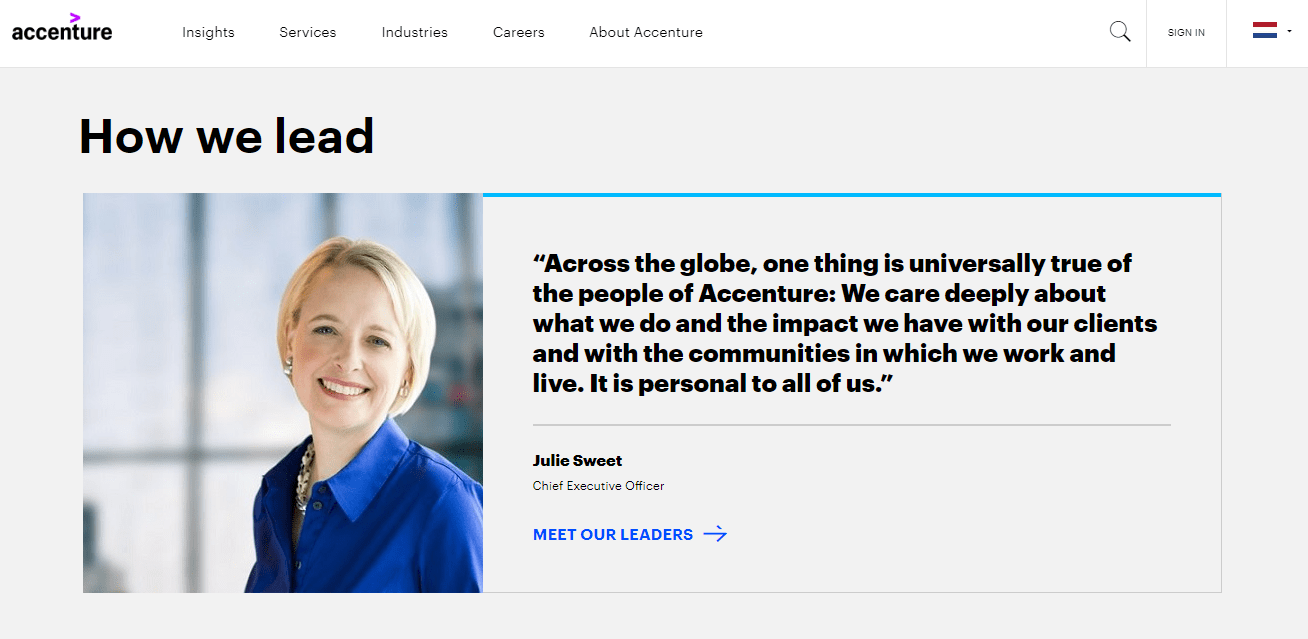
Improving the world, helping customers, and proving yourself at the same time (source)
By putting the role of people central in the partnership Accenture forms with its customers, it weaves its pursuit of a better world with high performance. Accenture states that through its good ‘corporate citizenship’ and ‘culture of equality’, it is better able to attract the right talent. And that talent is, of course, central in finding the right solutions for its customers. We are not surprised that in an increasingly globalizing world, a company with high diversity is able to come up with the greatest variety of solutions.
Unlike Pepsi, which will be discussed later, Accenture can say with some authenticity that it supports the Black Lives Matter movement. The company has been explicit about its commitment to inclusivity and diversity in its annual reports over the past five years and is leading in this area according to various benchmarks.
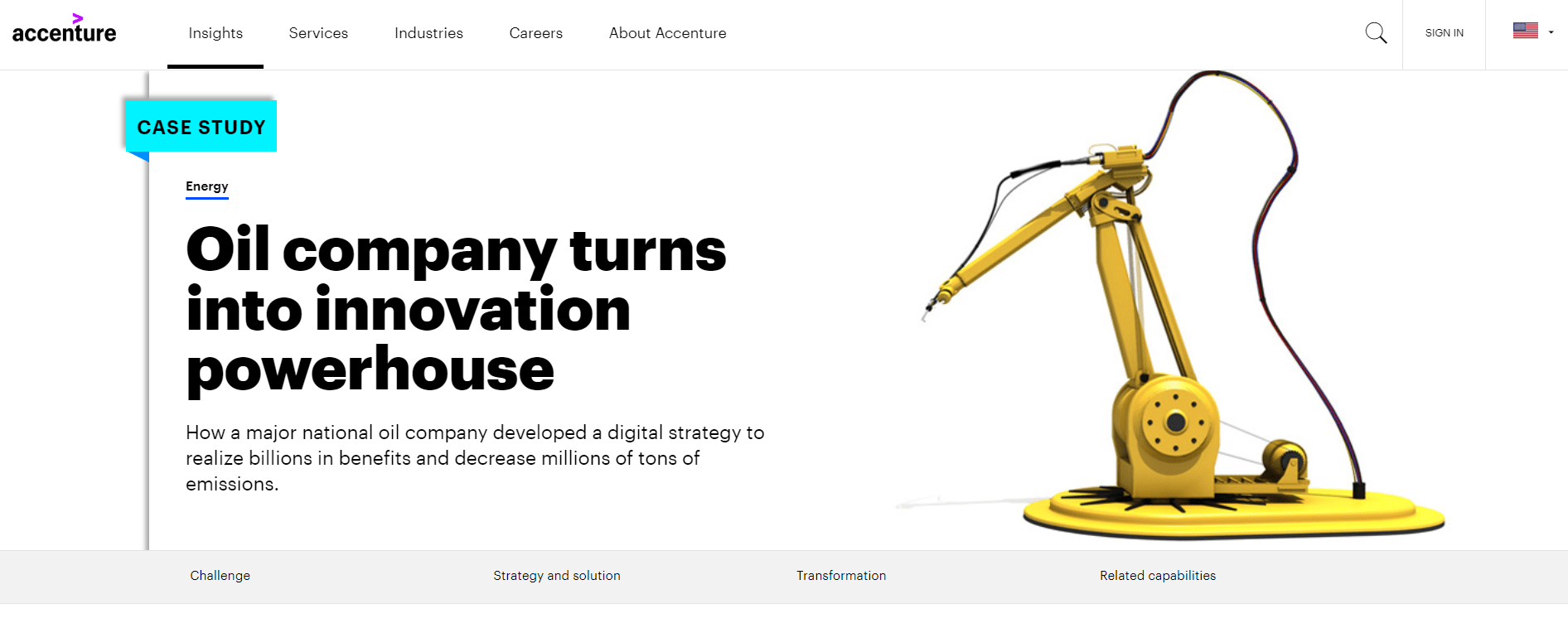
The result is a company that is known in the market as a good employer and an innovative partner. Case studies celebrating the achievements of customers (and itself) substantiate the company’s performance. Accenture seems to strike the right balance between its own ego, the impact the company has on the world, and the performance of its customers, making it a fine example of using the brand archetype Hero in business services.
Example Brand Archetype Hero industry: Honeywell
Unlike Accenture, industrial conglomerate Honeywell sees not itself but the customer as the hero. Honeywell’s products ensure in a wide variety of markets that its customers can overcome their ‘heaviest’ challenges. On its homepage, ‘The future is what we make it.’ is displayed over a rising sun seen from space, the most dramatic stage possible. Honeywell thus provides its customers with the tools to fight the battle on their own strength.
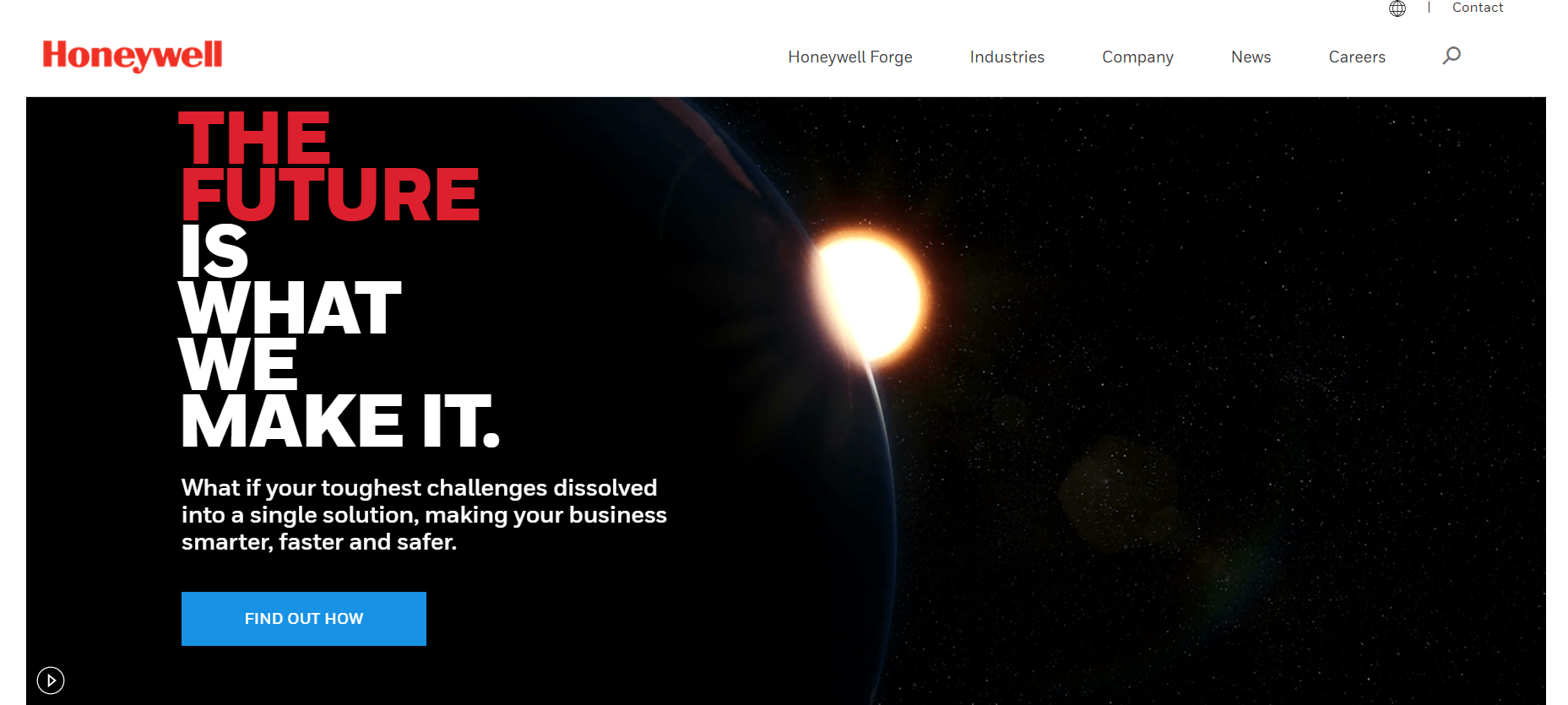
It could be an image from the hero movie Armageddon (with Bruce Willis)
A clear tool that fits well with the Brand Archetype Hero is Honeywell’s Forge: a digital forge where the company for its customers forges proverbial swords to slay dragons. Honeywell brings together all available data from its customers in Forge and ensures this leads to insights enabling customers to make the right decisions.
That the customer is central is also evident from the fact that Honeywell places customer stories at the heart of its communication around Forge. With practical stories about processes, people, production resources, and the customer experience, supported by beautiful, modern images, the company compellingly conveys the possibilities they offer. The customer can clearly imagine how they themselves can become the hero.
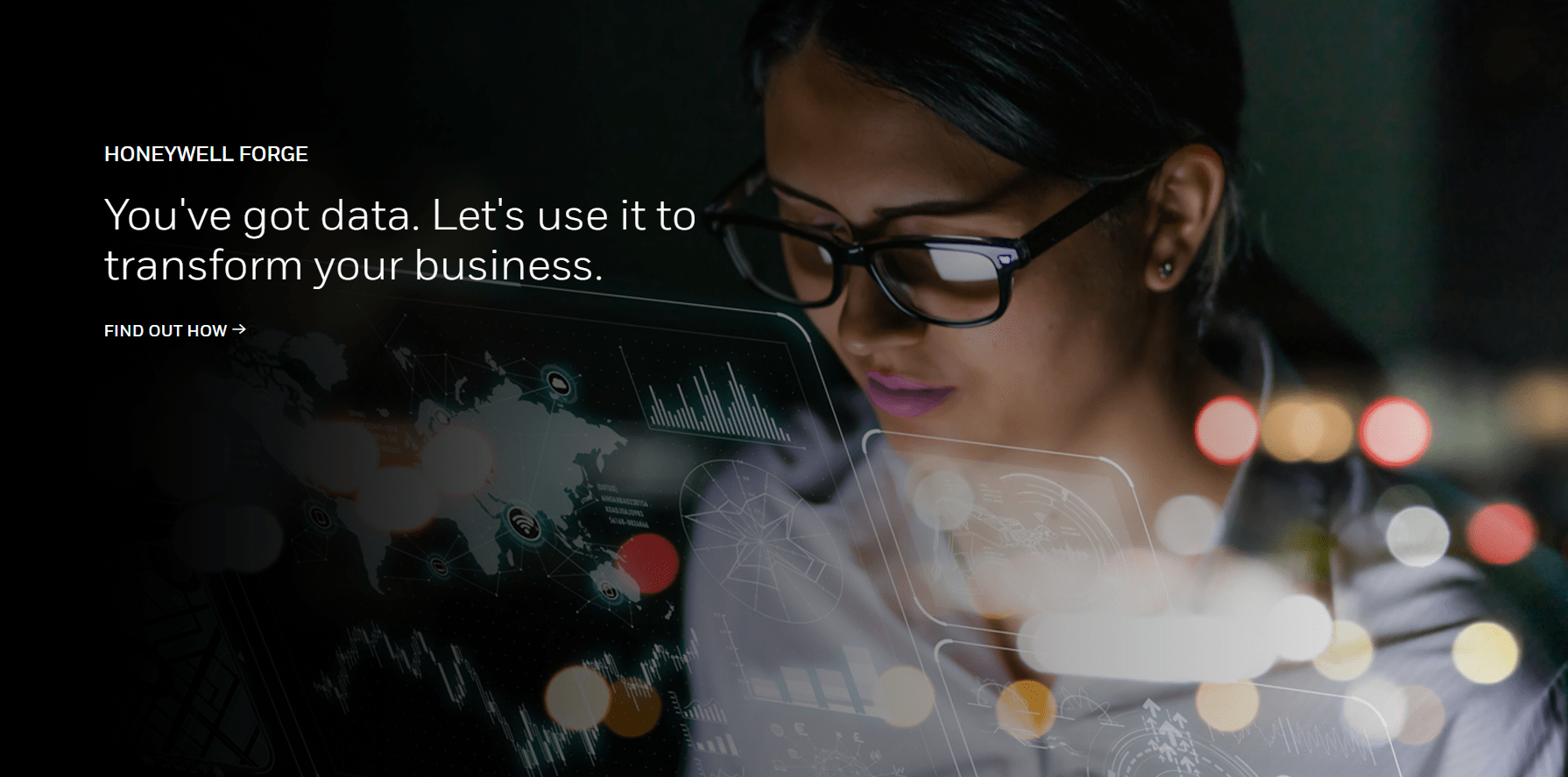
Honeywell makes the sword of the real hero: the customer in its Forge
Honeywell is also a good example of a company that tries to go beyond its own honor and glory but only succeeds to a limited extent. In various indexes, the company scores high on pollution and environmental damage, and its ‘commitment’ to sustainability and the health of the broader world is tied to some legal standards and hidden under ‘we manage this impact for our customers’.
At the same time, Honeywell is clear: you come to them if you seek technology and solutions that enable change and transformation. With which the customer can make a difference. The company uses powerful language and technological, fast images that fit the Brand Archetype Hero. For their customers in industry, it will be crystal clear why you should turn to Honeywell.
Advantages of Brand Archetype Hero
With a brand that embraces the brand archetype Hero, motivation is never lacking. Such a brand does everything to win because they believe in what they pursue as an organization, as a team. People hold themselves and each other to a high standard but are also appreciated and rewarded for it. Teams understand they must take care of each other and can share in their pride. This creates a challenging work environment where people are eager to belong.
The good energy and drive of the brand are also contagious to customers. They see the winning mentality reflected in the quality of the products or services, and it fits their own self-image. The customers of a Hero brand also have a need to prove themselves, and this brand fits well with that.
Finally, the Brand Archetype Hero fits excellently with the spirit of the times. Brands that advocate for sustainability, ‘green’, diversity, or pick up the battle axe to fight injustice can quickly connect with a loyal, dedicated following.
Pitfalls Brand Archetype Hero
Precisely because the Hero is so of this time, there are also plenty of missteps made by brands that boasted too much out of vanity or arrogance. Pepsi already launched a commercial in 2017 with Kendall Jenner that tapped into the new Black Lives Matter movement. There was a huge backlash because the brand was seen as profiteers who would trivialize the enormous problem of inequality. In the commercial, Jenner manages to turn the tide by offering a police officer a can of Pepsi.
At the time of writing, the Pepsi commercial is even more painful than before and is a perfect example of the biggest pitfall for the Hero: hubris and/or arrogance.
A second pitfall is the continuous search for an enemy, even if there isn’t one. This causes alienation of the target audience and the world and makes people avoid the brand. The unrestrained need to prove oneself can also cause internal problems. If a brand continuously pushes its people toward a higher goal, there is an increasing chance of burnout. Many classic Hero brands, for example, had an up-or-out culture where only the best performers were promoted and the less ambitious left. This can lead to a culture where short-term success is pursued at all costs.
Marketing of Brand Archetype Hero
In the marketing of the Brand Archetype Hero, a number of stories can be central;
- The brand delivers the heroism you lack, ‘we protect you’
- With us, you become a hero
The first story fits less in this time unless it is about selling, for example, security products or services. That can be physical security, but digital security software also often still plays on fear.
The customer as hero is a widely used story. With Nike or BMW, you have the tools to be a hero, but sign up for the Dutch army, and you challenge yourself to stand up for others. This is also a common way to recruit people for commercial companies; together you tackle the problem. This story plays on the target audience’s need to prove themselves.
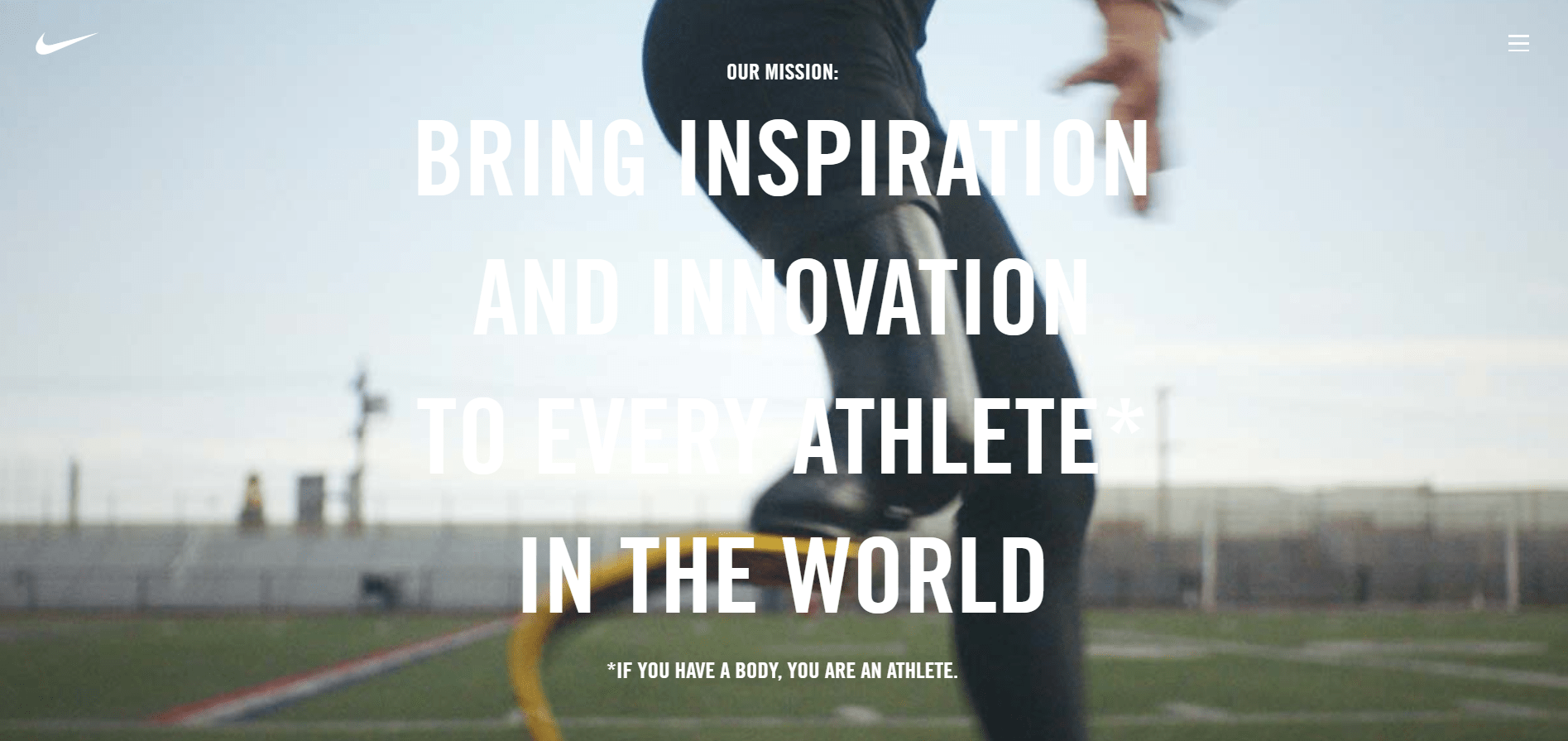
A heroic goal for Nike’s customers: the real heroes
Because the hero must prove themselves, and that doesn’t happen overnight, this Brand Archetype also determines how you talk about your product or service. High quality and sustainability in the broadest sense of these terms fit the marketing of the Hero. The customer is sure it will not be due to your product or service.
Related brand archetypes
Do you recognize your brand only partially in the brand archetype Hero? The following two brand archetypes are very close to the Hero:
The Brand Archetype Magician is close to the hero. In the King Arthur myth, for example, it is Merlin who enables people to transform. While mastery is central to a hero, the magician revolves around transformation and creating a magical moment.
The Brand Archetype Creator is all about creativity and solving big problems yourself. Instead of a need to prove oneself, the Creator has its own vision it wants to shape. This fits well with very innovative companies with a clearly defined (final) product.
Want to know more about brand archetypes or positioning? Then continue reading on our brand archetype page, where you can read all about the various brand archetypes.