Brand Archetype Explorer: discovery of the ideal world
Are you searching for a better world? The Brand Archetype Explorer suits brands that want to discover what fits the unique needs, preferences, and desires of their customers. Famous Explorer brands include GoPro and Land Rover, but there are also compelling examples in business services and industry. In this article, we break down the brand archetype Explorer and discuss if and how you can apply this archetype to your brand.
The secret to happiness is freedom
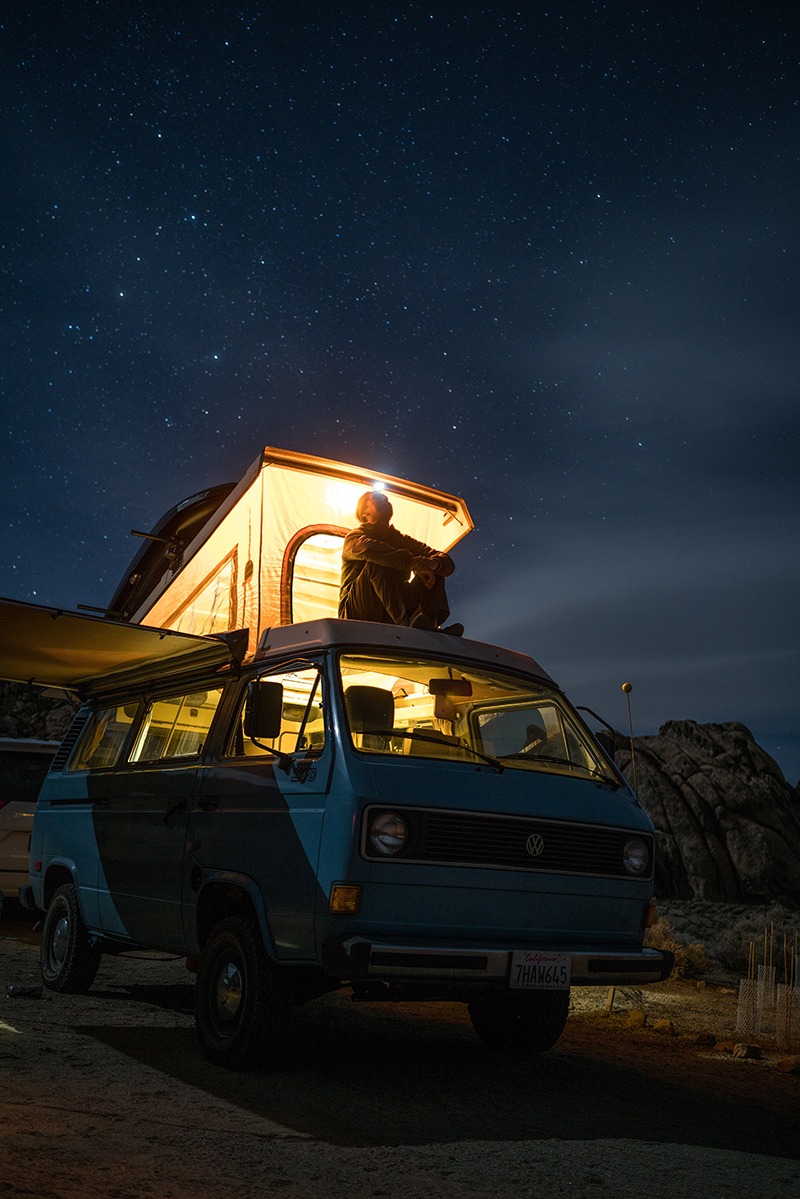 The explorer is perhaps the most obvious image you have of the Explorer archetype. Do you also think of the British man with a pith helmet and khaki jungle suit? This Disney-inspired image does not do justice to the impact of Explorer brands on our society. Explorer brands offer or facilitate the freedom and independence to search for an ideal world. The journey, not the destination, is paramount: the Explorer is always discovering.
What is the Brand Archetype Explorer
The Brand Archetype Explorer embarks on a (figurative) journey, seeking a better world driven by a deep desire to find what best fits their unique needs, preferences, and wishes.
In almost all cases, the brand archetype reflects both the needs of the target audience and the internal organization. But that does not mean the brand itself sets out as the discoverer. Often, the brand represents the journey the target audience undergoes. There are different levels of the Explorer:
- Wanting to venture out, explore the world, and see what fits me
- Discovering one’s own individuality
- Expressing one’s own individuality and uniqueness
The first level is quite externally focused, venturing into the wide world. This is often literal but sometimes figurative. A literal example is the marketing of the brand GoPro, where their target audience explores the world. GoPro reflects the audience’s need to discover the world.
But it can also be a figurative interpretation. Of course, Microsoft’s first browser (to explore the internet) was also called Explorer. But one of the most valuable companies in the world, Amazon, is also an Explorer. The name is already a first hint, but from your phone or computer, you can discover a whole world of products and find what fits you.
The Explorer also embodies the wishes of its audience in terms of brand identity. Design and photography are strikingly different and literally or figuratively refer to the great unknown. The examples below show how this is implemented in practice.
Example Brand Archetype Explorer: Land Rover
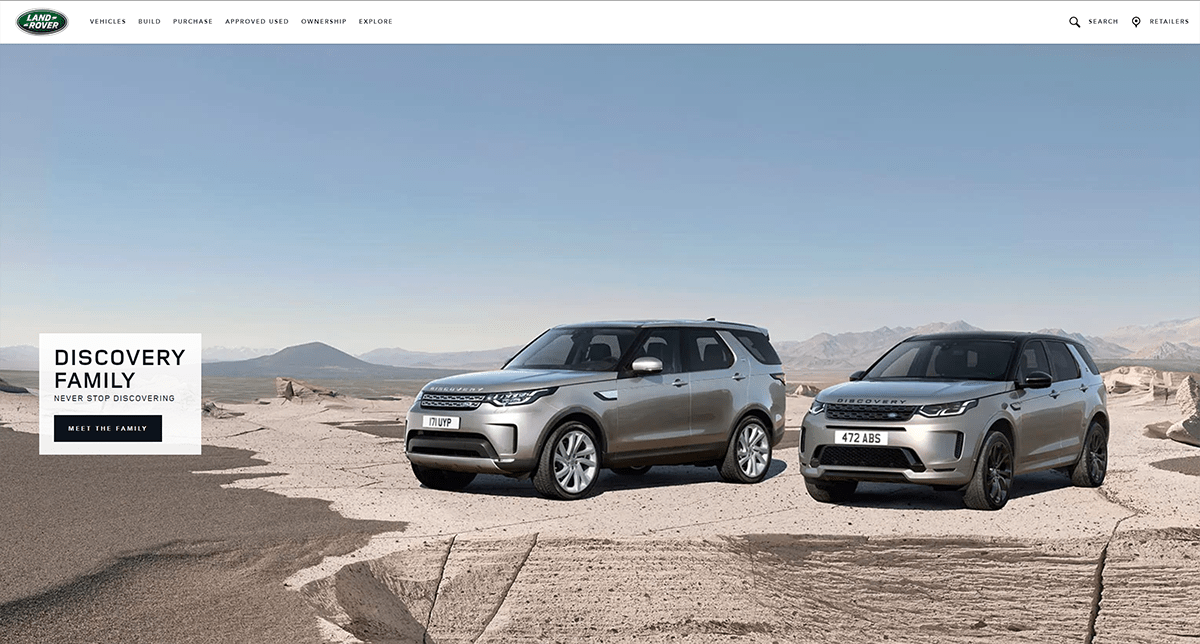
The iconic car brand Land Rover is naturally the quintessential Explorer. This British brand is, after the American Jeep, the oldest off-road vehicle brand in the world but is now owned by Indian Tata Motors and grouped together with Jaguar. Although the brand and the three families Range Rover, Discovery, and Defender nowadays mainly focus on status, luxury, and style, they are still placed in the wide open spaces. Whether in the city or far beyond.
Refined and adventurous, that is probably how the Land Rover customer likes to describe themselves. In a recent commercial for the Range Rover Evoque, the brand writes, for example:
“The New Range Rover Evoque is a car you just want to keep looking at.”
The accompanying commercial shows a woman seeing an Evoque approaching in the mirror of her barbershop. She turns her head to look, but the barber keeps turning her head back straight.
Finally, the way the brand refers to its models: families. Talking about the models as families evokes a sense of togetherness that an Explorer needs. Together with our Land Rover, we go on an adventure and explore the world.
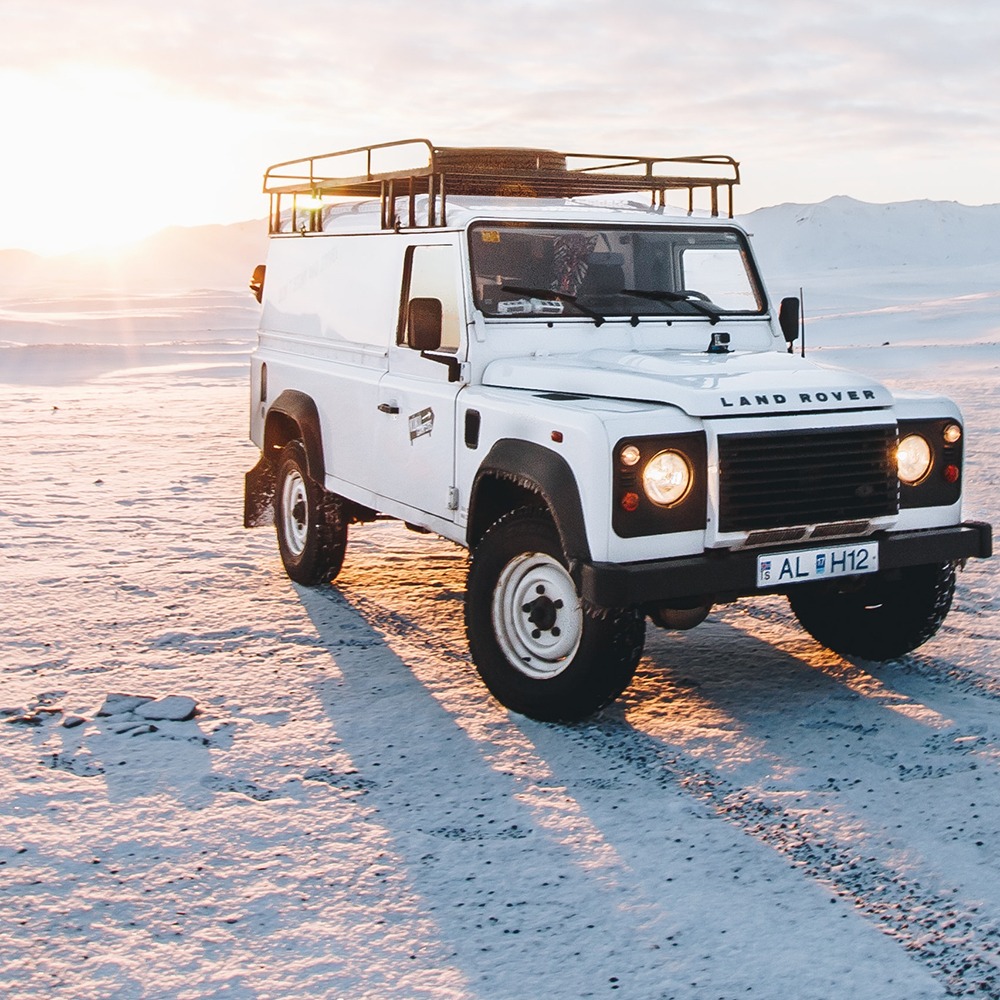
The Land Rover Discovery is the car for the Explorer
Credibility of Land Rover’s positioning
A critical note is appropriate for this brand: how credible is the brand still as an Explorer? The cars the company delivers nowadays are probably much better suited for the business district than a hunting trip. And are probably rarely if ever used for that. So it remains to be seen how sustainable the brand’s position is and how long it can still rely on its heritage and offroad technology.
Target audience and customers of the Explorer
The target audience and customers often see themselves as—and often are—ahead of their time and have certain principles they want to stand up for. This makes them feel that things can be better, that there is a solution or situation that better fits them. This resonates with both a younger audience still discovering who they are and an older, more experienced audience who now know what they don’t want. Both are searching for something new, something different. And you don’t find that on the beaten path.
But even more traditional customers sometimes feel very much at home with an Explorer brand. When someone has to step outside their own comfort zone, the Explorer attitude may suddenly suit them well. Think of an accountant who goes mountain climbing (outdoor brands Patagonia and The North Face) or the banker who chooses a groundbreaking architect for his new office.
Example Brand Archetype Explorer in business services: Salesforce
CRM software provider Salesforce also embraces the brand archetype Explorer. Their ‘About Us’ page is full of Explorer statements such as:
- We help our customers discover new trails to success using the #1 CRM platform.
- Together, we’re on a path to success.
- Customer Trailblazer who transforms their company — and grows their career —
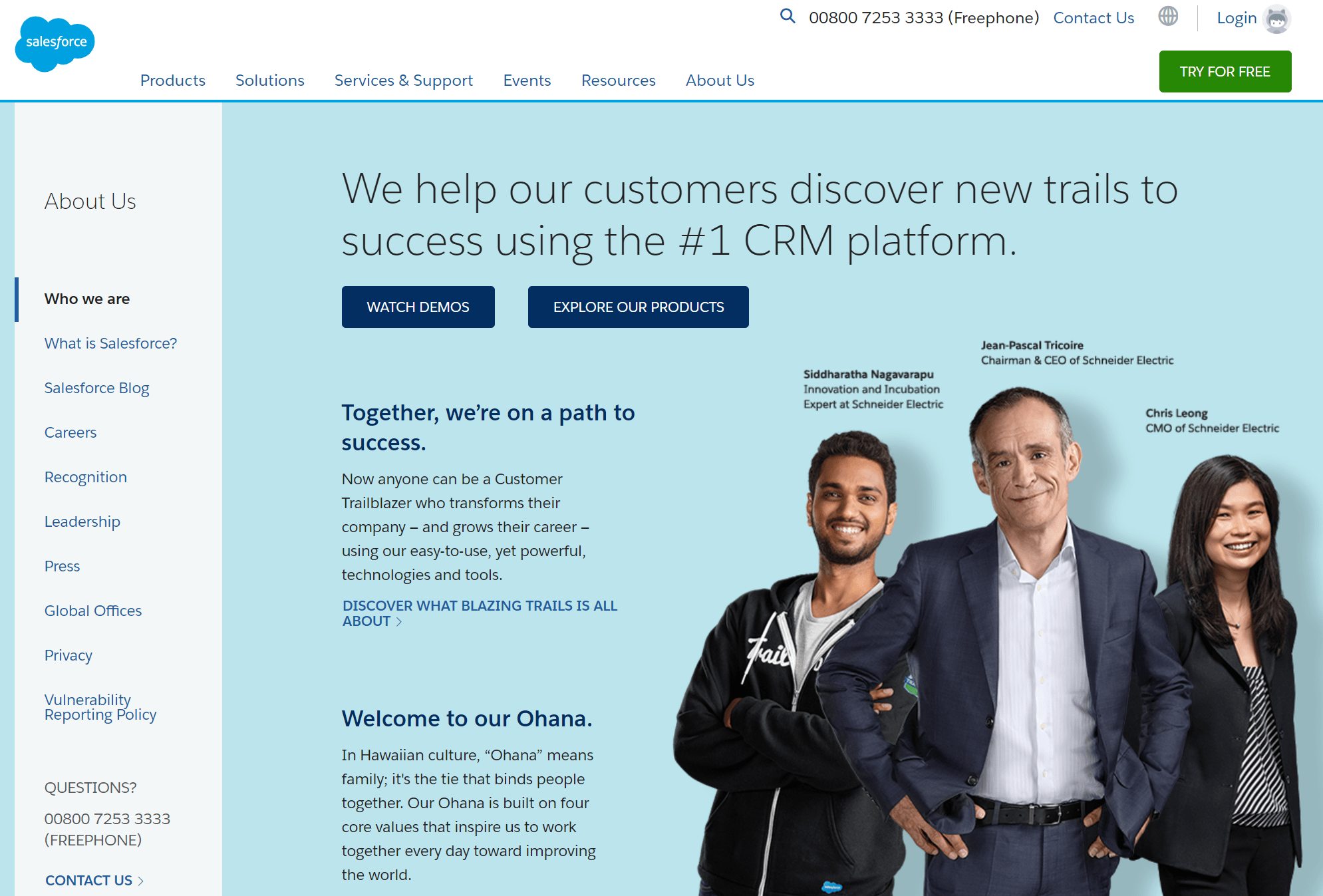
On the path together, new trails toward success with Salesforce
Salesforce uses the Hawaiian term ‘Ohana’, meaning family, to indicate their internal culture. When you work at Salesforce, you work in a warm family environment, and the company has been named best employer two years in a row. Their customers but also their own people are central, and the software is always supportive of that.
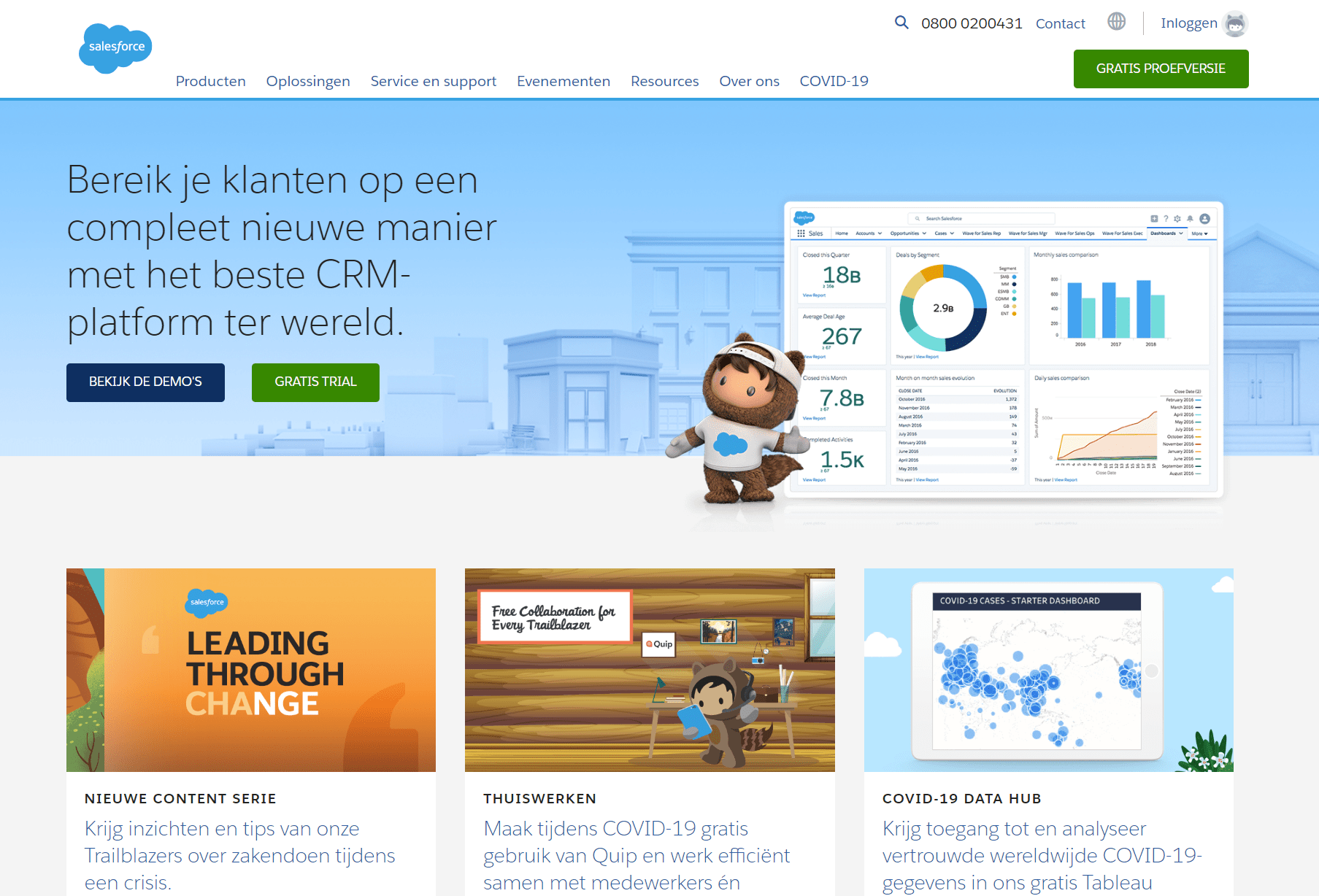
The company uses typical Explorer images in drawn form to shape the Explorer also in the communication around their software. We see a mascot walking along a certain path (customer journey), searching for the right solution. The customer virtually travels along with him. Traveling (learning) together is central in Salesforce’s customer journey. This drawn style actually fits more with the Innocent than the Explorer: the Innocent prefers a simple corporate identity. Salesforce probably chose this style because the CRM software interface quickly looks complex.
When does the Explorer suit your organization?
Organizations where the Brand Archetype Explorer fits well value individuality and do not emphasize rules and hierarchy much. Rules mainly exist to keep the organization together. These are often flatter organizations where employees actually have a lot of freedom to decide for themselves. Flexible working hours or conditions are more the rule than the exception in such organizations. This type of organization does not offer a standardized product but often develops a new product or solution or helps its customers with that.
This also fits attracting young, smart colleagues who still need to find what suits them. Once hired, they have quite a lot of freedom or even independence to choose their own path. Of course, they work as part of a broader team toward a certain goal, but how they achieve their own goals is often their responsibility.
Example Brand Archetype Explorer in industry: Dupont
The American DuPont is quintessentially an Explorer and describes itself as such:
After more than 200 years of innovation, DuPont is entering a new era of discovery. Our community of scientists, engineers, visionaries and all of our partners are working every day to turn possibilities into real world answers that help humanity thrive. Explore how DuPont is shaping a better world.

The company also followed a remarkable path. DuPont always invests structurally in research and development of new substances and materials. This has put the company at the foundation of groundbreaking developments. For example, the company developed Nylon, synthetic rubber, Teflon, and Kevlar. All products first applied, for example, in the two world wars. After the wars, the focus shifted to new applications in aerospace, oil and gas, and agriculture.
Characteristic of DuPont is the shifting focus on diverse markets. The company often sells entire divisions to then focus on exploring the next ‘frontier’. Even when DuPont merged with Dow Chemical, another American giant, the brand identity remained intact. In 2019, DuPont became an independent company again, focusing on creating essential innovations in safety, health, nutrition, mobility, electronics, and construction.
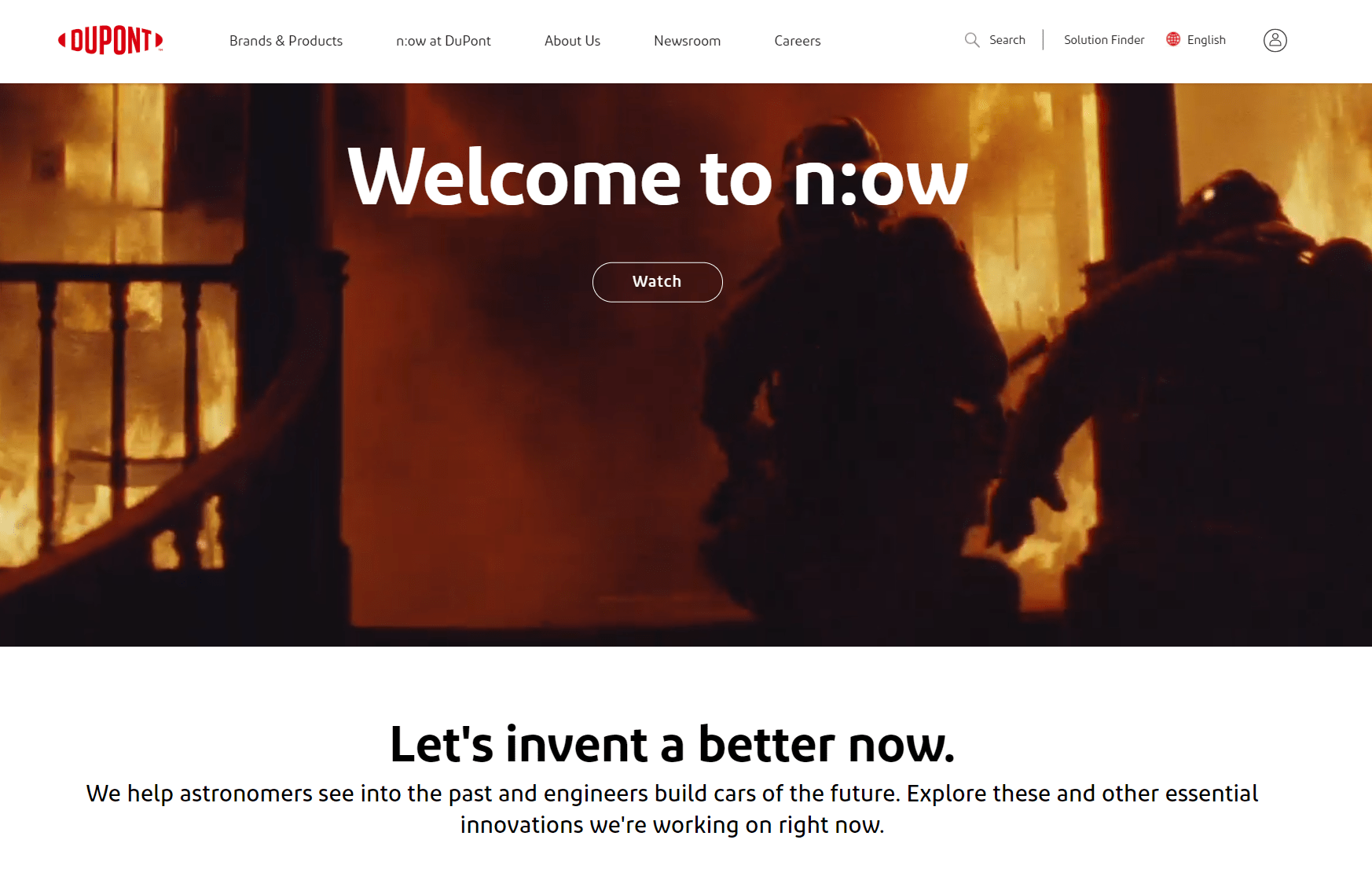
DuPont speaks of Essential Innovations and always places their inventions in the perspective of possibilities
With their n:ow campaign, DuPont strikes the right balance between the quest and the experience. The target audience is not only looking for a better world but also wants to experience that they are on that quest. They want to be amazed and wonder now, even if the ultimate goal has not yet been reached. DuPont’s ‘Let’s invent a better now’ shows they are aware of this. With developments in electric driving, sustainable seaweed, and a coating for surfboards, DuPont leads its audience in exploring new possibilities.
DuPont rightly speaks of an unmistakable heritage of scientific innovation that, linked to their brand identity as Explorer, ensures they innovate boundary-pushing in new markets time and again. What the company will achieve in this reincarnation is not yet clear, but we read about innovations in e-fabric, mood microbes, probiotics, and satellites. We believe DuPont’s Explorer attitude will also bring renewal in this era.
Advantages of Brand Archetype Explorer
A successful Explorer brand finds a deep connection with its audience because it touches on fundamental themes like freedom and personal identity. This audience is willing to make great efforts, give up a lot, for a brand that fits them so well. A strong Explorer brand is often found in a higher price category. Moreover, the broad and wide view of the world is an inspiring theme for various marketing and communication activities, making it easier for the Explorer to distinguish itself in the market.
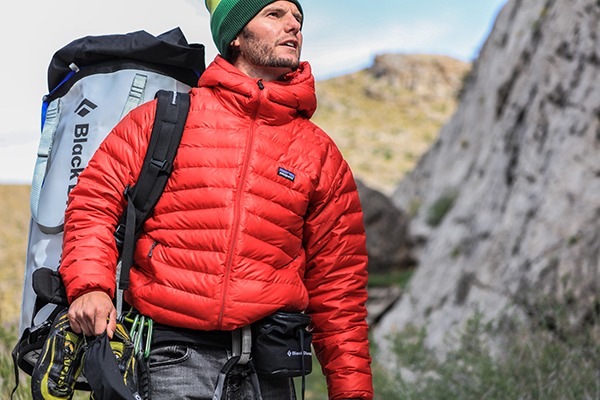
Explorer brand Patagonia: authentic but certainly not cheap
At the same time, this is also a good defense; in the quest for authenticity, it is unlikely that a single flashy marketing message will convince the critical Explorer audience. The Explorer therefore focuses on the long term.
Finally, there is the flexibility of the Explorer. As we saw with DuPont, it fits the Explorer to reinvent itself regularly. This allows the Explorer to connect faster with the changing spirit of the times, where competitors fear alienating their current customer base. You expect the Explorer to come up with new insights!
Pitfall: blowing with every wind

Danger: blowing with every wind
But these advantages naturally also have a downside. The Explorer risks becoming a wanderer, a brand that belongs to no target audience and is therefore unloved.
Who doesn’t dream of wandering the world? Yet few maintain this for years. A brand that offers no anchor to its audience and literally blows with every wind has too little time to connect with its audience. This results in no loyalty because the audience feels every authenticity is lacking. The Explorer
Marketing of Brand Archetype Explorer
In marketing this brand archetype, it is important to show the audience that they are not alone. Your brand shares in their restlessness and need for something new; you will discover that together. The customers of an Explorer make a different choice and sometimes have to stand up for it to their environment, team, or even boss. Your brand helps them with that. And don’t forget; it is a quest, but the end result is the ideal situation that fits them perfectly.
Important elements for marketing the Brand Archetype Explorer are therefore:
- Seeking emotional connection with the loneliness or question the customer struggles with
- Proving that your brand supports its customers during the quest
- Talking about possibilities and opportunities, what the path could look like and how your ingenuity contributes to it
- Sharing the experiences, journey, and discoveries of other customers to further stimulate the sense of community.
But the most important rule is authenticity and sincerity. The brand archetype Explorer appeals to an audience searching for a better world, a desire often close to their own self-image. If they feel lied to, that is a mortal sin.
Related brand archetypes
Outlaw – Like the Outlaw, the Explorer feels there must be ‘something better.’ Unlike the Explorer, the Outlaw is willing to break with the status quo and create a new world. If you feel the ‘old’ has had its day and you are not afraid to burn bridges, the Outlaw might suit your brand.
Sage – The Sage creates a better world because this brand archetype shares knowledge that helps everyone make better decisions. Do you believe your audience simply needs more knowledge and explanation to make the right decision? Sage probably fits your brand well.
Brand archetypes are an important building block of a unique positioning. For many companies, a brand archetype is an essential guide for both positioning and implementing it in daily marketing and communication. Want to know more about brand archetypes? On our brand archetype page, we collect all our knowledge and examples!