Defining a unique tone of voice for your brand: how to do it?
When does your ‘tone of voice’ become important? With the logo, font, and color usage of your brand identity, you initially communicate indirectly with your target audience. Compare it to a person’s clothing, posture, or appearance. It determines the first impression of your brand. Your target audience truly gets to know you when you start a conversation. That’s when tone of voice comes into play because how do you address your audience in the right way? Which tone of voice fits your brand identity? We discuss the importance of tone of voice in this article.
The tone of voice communicates or emphasizes, between the lines, the character traits of your brand. It’s not about what you say but how you say it. Tone of voice applies to all communication from your brand via channels like social media, email, and website. A consistent tone of voice that aligns with your brand’s visual identity creates a uniform character and coherent perception. This builds trust with your target audience.
‘Tone of voice is the verbal sister of your visual identity.’ (source)
 Determining tone of voice
The first step in determining the tone of voice is defining the core values of your brand. Before you start working on your brand identity, you research and determine the right positioning of the brand. This clarifies the core values and distinctive characteristics of the brand. You translate this into building blocks for your brand identity.
[merkelijkheidcta tag_id=’merkidentiteit-1′]
An important but often overlooked building block is your brand’s tone of voice. How does your written communication come across? It must be aligned with several factors. The steps below serve as a tool to map this out.
Step 1: What is your target market? Writing for a B2B market requires a different approach than for a B2C market. The specific industry also influences this.
Step 2: Who is your target audience? Are you writing for housewives or for executives of industrial companies? Identify which part of your audience makes the purchasing decision.
Step 3: What are the visual characteristics of your brand identity? Which color and font do you use, and what feeling does this evoke in the target audience?
Step 4: What is the role of your communication? Are you writing to inform, persuade, or entertain? Of course, there are countless variations here.
Naturally, you allow room for variation within your tone of voice. On a website, you might communicate in more detail than on your Facebook page. Or your brand targets both teenagers and parents, so you may need to slightly adjust the tone in some cases. However, the core of your tone of voice must be consistent. You speak from the same beliefs and write from traits that align with the rest of your brand identity.
Keep it simple, to the point, and be honest. Do not base your tone of voice on traits your brand does not have. For example, don’t write complicated and highly technical blogs if your conversion focus is on a helpdesk with people who lack that in-depth knowledge. That creates an expectation you cannot fulfill, and that is not “real.”
[merkelijkheidcta tag_id=’merkidentiteit-2′]
Examples of tone of voice from well-known brands
There are countless examples of major brands with a recognizable and strong tone of voice. Here are a few brief examples:
 Gillette
One of the companies that has its tone of voice perfectly in order is shaving giant Gillette. Gillette is known for (prides itself on) technologically advanced shaving, targeting men. The company’s tone of voice is extremely confident. Gillette seems to need no arguments to show that they are the best. As a major leader, the brand addresses its audience authoritatively. The most recognizable example is the commercials featuring champions Roger Federer, Tiger Woods, and Thierry Henry. The brand associates itself, and its customers, with champions. After all, Gillette is ‘The best a man can get.’

Mailchimp
Another example of a company with the right tone of voice is Mailchimp. The company even dedicated a whole page in their style guide to it. Mailchimp is friendly and straightforward. Mailchimp is confident but not arrogant. Informal but not sloppy. Funny but not childish. Take a look at their social media channels and you’ll see informative yet accessible posts combined with humorous images and, of course, Mailchimp’s face, mascot Freddie. The website is clear and focused on solutions for the customer. The tone? Informal and approachable but with a clear place for their expertise.
Tony Chocolonely
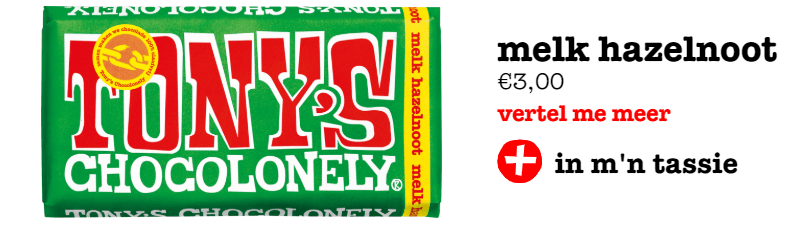 The third example of a company with the right tone of voice is Tony Chocolonely. They focus on the B2C market and distinguish themselves with their colorful packaging, playful font, and logo. The communication is also playful. On the website, they communicate with short informal texts like ‘they’re back’ and ‘make it yourself tasty.’ To complete the friendly and casual atmosphere, no capital letters are used in the texts on their website.
[merkelijkheidcta tag_id=’merkidentiteit-3′]
Implementing tone of voice in communication
Have you mapped out the steps mentioned earlier? Then the foundation is laid for a successful way of communicating. A first and often hot topic is the use of ‘you’ formal or informal. Do you want to stand on equal footing with the customer or adopt a more formal, authoritative tone? And that’s just the first example of all the basic considerations you must make for a clear tone of voice. Choose what best fits your organization’s brand identity and positioning and ensure recognition in all your communications. A recognizable tone and style make people feel comfortable with your content, making it easier to read, share, and understand.
The tone gives your content personality and makes it distinctive. It can transform the most boring production process into a technological masterpiece. Use the possibilities of language; its psychological effect is just as important in the long term as that of color, shape, and imagery.